 Annual Reports
 Report an Injury
 Safety Key
 Upcoming Events
 Agent Login
 Employer Login
 Training Courses
 Ask a Safety Question












Implementing Fall Protection at Work
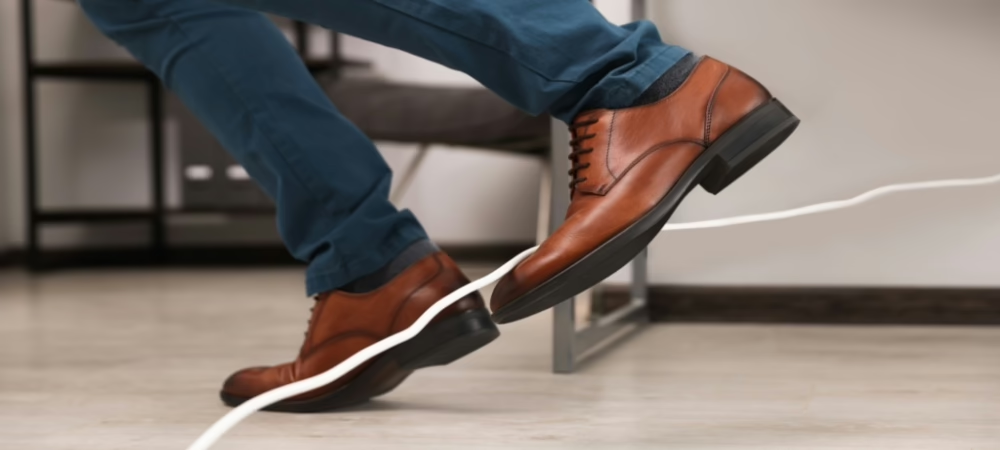
Even the most experienced workers are not immune from falls. In fact, falls are one of the leading causes of workplace injuries and death. A slight misstep, an unsecured harness or improper fall restraint systems can have serious consequences, highlighting the importance of fall protection.
That’s why having a proactive fall protection plan is essential for every organization. This not only protects your team from injury but also minimizes the risk of expensive jobsite equipment and materials being damaged.
In this guide, we’ll walk you through the essential steps employers can take to implement effective fall protection systems and the equipment they use. Plus, we’ll discover how Inland Marine insurance can work alongside these strict policies to add an additional layer of protection over your business equipment and materials.
What is a Fall Protection System?
When it comes to workplace safety, it’s crucial to understand the difference between fall protection, fall arrest and fall prevention systems. Each system serves a distinct purpose, but they work together to create a comprehensive safety framework.
- Fall protection is the overarching term for any system, personal protective equipment or strategy designed to reduce fall risks. This category includes both active and passivemeasures to protect workers from injuries caused by falls. The goal is to minimize the likelihood of a fall or mitigate its impact if it occurs.
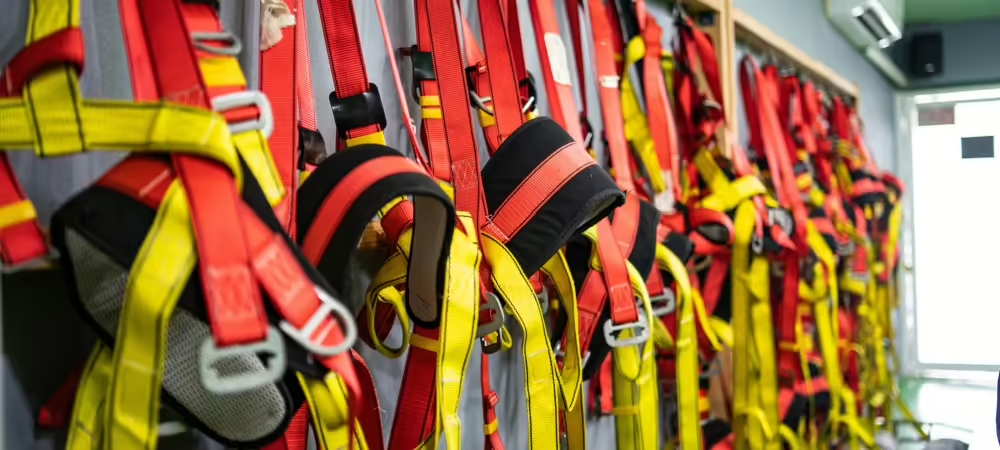
- Fall arrest systems activate when a fall happens, preventing the worker from hitting a lower level or surface. These systems typically include equipment such as personal fall arrest systems (PFAS) — made up of body harnesses, lanyards and deceleration devices — which stop the worker’s fall mid-air. Fall arrest systems are essential for employees working at heights, such as on rooftops, scaffolding, aerial lifts or elevated platforms.
- Fall prevention systems, on the other hand, are designed to keep workers from falling in the first place. These systems include guardrail systems, fall restraint systems, safety nets and other passive fall protection measures. Unlike fall arrest systems, these measures require less intervention from employees once properly installed. For example, a guardrail on an elevated walkway acts as a physical barrier to prevent falls.
By using a combination of fall protection, arrest and prevention systems, employers can create safer workplaces while maintaining compliance with OSHA regulations.
Why Fall Protection is Critical for Employers
Falls are one of the top causes of preventable workplace injuries, according to the National Safety Council, with significant consequences for everyone involved. Beyond the obvious health and financial impacts to the injured, employers face lost work hours, administrative costs and potential legal fees and expensive equipment replacement if something goes wrong.
An effective fall protection system can prevent injuries, which in turn reduces the number of workers’ compensation claims, decreases commercial property damage and minimizes lost productivity. Moreover, it’s required by law in some cases.
OSHA mandates that fall protection measures are implemented at specific heights, which vary by industry. For example, in the construction industry, workers must be protected at heights of six feet or more, while general industry employees need protection starting at four feet. Adhering to these requirements not only prevents workplace accidents but also helps avoid costly penalties for non-compliance.
How to Implement an Effective Program
Developing a comprehensive fall protection plan involves multiple steps. Here is a simple, step-by-step guide to help you start creating a program that protects your employees and ensures compliance:
Step 1: Identify Fall Hazards
The first step toward compliance is to proactively identify potential fall hazards in the workplace. OSHA requires employers to conduct regular hazard assessments, particularly in areas prone to falls, such as loading docks, rooftops or scaffolding, scaffolding or confined spaces. For industries like construction, where 47% of workplace deaths involve slips, trips and falls, it is especially critical to document hazards thoroughly. Employers should also assess indoor spaces for hazards, like unguarded ledges, wet floors or falling objects.
Step 2: Choose the Right Fall Protection Systems
Every workplace presents different challenges, and the fall protection systems used must align with the work environment. Fall arrest systems, which include body harnesses and deceleration devices, are essential for high-risk tasks. In contrast, fall prevention systems such as guardrails or safety nets create barriers to prevent falls altogether. For tasks involving dangerous equipment or aerial lifts, it’s crucial to prioritize proper fall protection and commercial property coverage like an Inland Marine policy.
Step 3: Ensure You’re Properly Covered
Fall protection protects people and reduces the risk of workers falling from heights. Inland Marine protects equipment that may be vulnerable to risks while being transported between locations or being used at job sites. These two work together as part of your overall risk management. Without one or the other, you might be exposed to financial losses, damage or gaps in coverage.
Look at your current commercial property coverage to see if incidents like theft, damage and other common issues are taken care of. If not, it’s important to boost your business’s safety and security with both strict fall protection and insurance coverage.
Step 4: Provide Training
OSHA emphasizes that proper training is non-negotiable for effective fall protection. Workers must be trained not only in the use of fall protection equipment but also in recognizing potential fall risks. Training should include:
- Proper use of harnesses and fall arrest systems.
- Awareness of equipment inspections to prevent malfunctions.
- Identifying and avoiding hazardous areas, such as confined spaces.
- Effective, safe use of equipment while in transit and in use at job sites.
Annual refresher training helps workers stay updated on best practices and changing standards. It also empowers them to report hazards before they escalate into accidents.
Step 5: Create Written Policies
Clear, accessible written policies are the backbone of any fall protection program. These policies should outline:
- The specific fall protection systems in use.
- Training requirements for employees.
- Equipment inspection protocols.
Including a formal fall protection plan in your safety program ensures that everyone knows their responsibilities.
Step 6: Regularly Review and Update
Compliance is not a one-time effort. Employers must periodically review their fall protection measures to keep up with new risks, industry changes and OSHA regulations. Regular inspections and program updates are essential to maintaining safety and avoiding penalties for non-compliance. By continuously evaluating the effectiveness of your protection systems, you can ensure that your program evolves with the needs of your workplace.
Tips for Picking the Right Systems and Equipment
Choosing the right fall protection equipment depends on the work environment and industry. Keep the following factors in mind:
- Assess the work environment: Determine whether the area is open, confined, or elevated to select the appropriate fall protection system.
- Select durable products: Invest in high-quality equipment to ensure safety and compliance with OSHA standards.
- Check comfort and fit: Ensure that body harnesses and other equipment fit properly for long-term use without discomfort.
Fall Protection and Inland Marine Coverage FAQs
What Is Inland Marine Insurance?
Inland Marine insurance provides coverage for certain business property while it’s being transported, stored temporarily or used away from your primary business location. By combining this coverage with your strict fall protection policies, more areas of your business operations can be protected.
What Types of Property Can Inland Marine Insurance Cover?
Coverage varies by policy, but Inland Marine insurance can help protect certain tools, equipment, materials and other business property while it’s in transit or being used at a jobsite. Businesses should review their policy with an insurance professional to understand what property, risks and locations are covered.
How Do Fall Protection and Inland Marine Coverage Work Together?
Fall protection focuses on preventing worker injuries by identifying hazards, providing appropriate equipment and establishing safe work practices. Inland Marine coverage addresses certain risks to business property, such as tools and equipment used or transported at job sites. Together, they support a broader risk management strategy that combines both worker safety and protection of business property.
Secure Your Business With the Help of FFVA Mutual
Fall protection is more than just following regulations — it’s about ensuring your employees return home safely every day and your equipment stays primed and ready for use. A proactive fall protection program and strict policies help reduce workplace accidents, keep operations running smoothly and minimize costly workers’ compensation claims. Employers who invest in the right systems and provide thorough training foster a culture of safety that benefits everyone.
Watch this slips trips and falls webcast today and make fall prevention a priority in your organization. Our next annual stand-down has a focus on preventing slips, trips and falls at work. View this STF stand-down page to learn more and access a downloadable resource packet, tips and more!