
 Annual Reports
 Report an Injury
 Safety Key
 Upcoming Events
 Agent Login
 Employer Login
 Training Courses
 Ask a Safety Question






















What is a Written Safety Protocol?
A safety protocol is a specific, documented procedure that outlines how employees should perform tasks safely, respond to hazards and follow workplace safety rules. These protocols form the foundation of a written safety program and guide day-to-day safe work practices.
Not only do these formalized procedures protect the well-being of your employees, but they also allow your business to stay safe, compliant and efficient. In fact, companies that implement comprehensive safety programs can reduce injury and illness costs by up to 40%, according to the Occupational Safety and Health Administration (OSHA).
These detailed documents outline the policies, procedures and practices designed to ensure a safe work environment. This includes various aspects of workplace safety, such as employee training, hazard identification, risk assessment and emergency response. By formalizing these procedures into a written program, employers can minimize the risk of injury or illness and foster a culture of awareness.
Before we dive into how to craft your own safety plan, it’s important to understand why you need one in the first place.
Why Do You Need a Written Workplace Safety Program?
In the U.S., workplace injuries cost a total of $176.5 billion in 2023 alone, according to the most recent data from the National Safety Council. Written programs create a structured approach to safety that empowers workers to identify a hazard before it causes an incident. This offers a multitude of benefits for both employees and employers, including:
- Minimizing the risk of a workplace injury, illness or accident.
- Complying with OSHA safety regulations and avoiding hefty penalties.
- Improving hazard communication and awareness among employees.
- Maintaining consistent safety management and practices.
- Measuring and evaluating safety performance for continuous improvement.
Of course, creating and implementing a comprehensive written workplace safety program is no simple feat. But with the right planning and communication, you can develop one tailored to your workplace and its unique risks and needs.
Core Safety Protocols in a Written Safety Program
A strong written safety program is built on clearly defined safety protocols, such as:
- Hazard identification and risk assessment.
- Safety rules and OSHA-compliant procedures.
- Workplace inspections and audits.
- Employee safety training programs.
- Emergency response and medical assistance procedures.
- Incident reporting and investigation.
- Ongoing program evaluation and improvement
These protocols outline how to identify hazards, train employees, respond to incidents and maintain safe working conditions on a daily basis.
1. Assess Workplace Risks and Hazards
The first step is to identify the current risks and hazards in your workplace. This involves identifying potential dangers that could harm employees, such as machinery malfunctions, chemical exposures or ergonomic issues. Conduct regular hazard assessments and use the findings from these to adapt and prioritize more effective safety measures. Utilizing a job hazard analysis (JHA) can further help in pinpointing specific risks associated with various tasks, ensuring a thorough and proactive approach to workplace safety.
2. Establish Safety Rules and Regulations
Next, establish clear safety rules and regulations to address the specific hazards you just identified. These written policies should cover essential areas such as fall protection, respiratory protection and hazard communication. They should also comply with OSHA standards and other relevant regulations. Beyond just developing these policies, you must also communicate the rules effectively through safety training sessions and regular updates.
3. Establish a Safety Inspection Program
Regular inspections play a vital role in identifying potential hazards and ensuring regulatory compliance. A well-structured safety audit program helps organizations proactively assess workplace conditions, policies, and procedures. Standardized checklists can help ensure a thorough inspection process, documenting any findings or safety issues and verifying that employees are following the appropriate measures. Engaging employees in the audit process encourages a culture of safety and accountability. After the inspection, it’s crucial to analyze findings, implement corrective actions, and track improvements over time. Not only do these audits help maintain a safe work environment, but they also demonstrate the organization’s commitment to occupational safety and continuous improvement.
4. Assign Safety Responsibilities to Key Personnel
As you develop your policies, you’ll need to assign certain responsibilities to specific personnel. Designating a safety manager to oversee implementation and monitoring will be key to ensuring accountability and effective management. Clearly outline these roles and responsibilities in your policy, then notify and train the appropriate parties.
5. Train Employees on Safety Protocols
While it’s important to assign specific people to specific roles, every employee should be a safety professional. Be sure to keep them up to date on the latest safety protocols and emergency action plan. Whether through hands-on demonstrations, digital simulations or safety meetings, engage workers through various training methods to accommodate different learning styles and reinforce key safety concepts.
In day-to-day operations, safety protocols are reinforced through routine activities such as pre-shift safety briefings, toolbox talks, equipment checks and supervisor oversight. Employees are expected to follow these protocols consistently, while managers monitor compliance and address any gaps through coaching or corrective action.
6. Implement a Medical Assistance Program
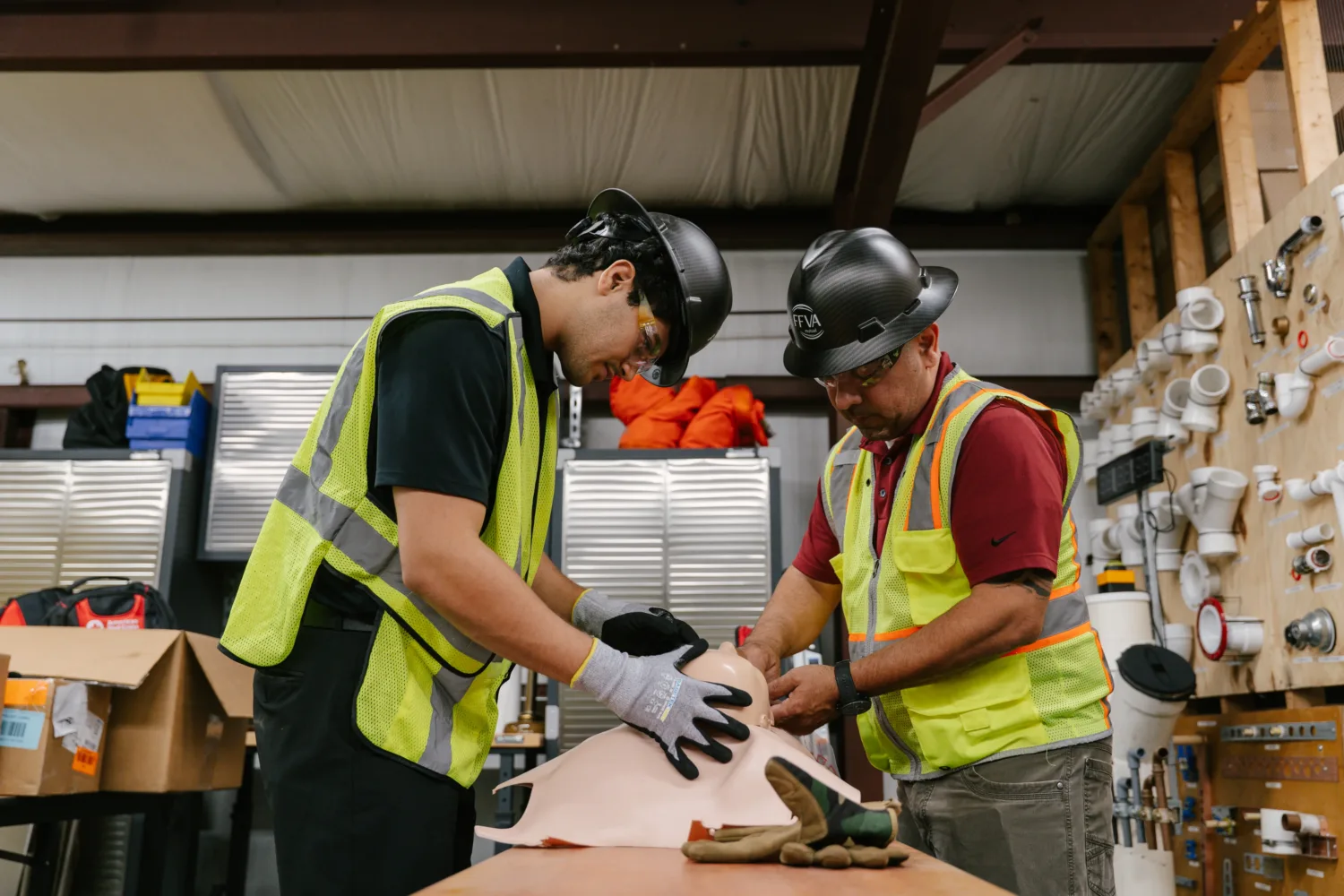
A robust medical assistance program is essential for an immediate and effective response to workplace injuries. Your program should offer first aid training for employees, easily accessible first aid kits and clear protocols for dealing with a medical emergency. You might also consider training for specific medical situations, such as bloodborne pathogens or respiratory emergencies, depending on your workplace’s exposure risk.
7. Raise Awareness, Interest and Engagement
Cultivating a strong safety culture takes more than just pen and paper. It requires a continuous effort to increase safety awareness and program engagement among employees, from regular campaigns and workshops to meetings and presentations. But beyond education and instruction, you can also recognize and reward compliance and other proactive behaviors to reinforce a positive safety culture.
8. Maintain Safe Working Conditions
This is an ongoing responsibility that requires constant vigilance from all parties. In addition to regular inspections of machinery, equipment and work areas, housekeeping protocols can help prevent certain workplace hazards. For instance, ensure all safety signs and emergency exits are clearly visible and unobstructed at all times. These small policies can help identify big issues before they lead to accidents.
9. Log and Manage Accidents and Incidents
Despite all your best efforts, accidents and unexpected emergencies are still going to happen. It’s important to learn as much as you can from these events to prevent them from recurring in the future. Establish a transparent and systematic process for logging and investigating all incidents, no matter how minor. This helps comply with OSHA regulations, but it also allows you to identify trends and other areas for improvement.
10. Continue To Evaluate Your Safety Program
A written safety program is never set in stone. It’s critical to regularly review and update your safety policies and procedures to reflect new technologies, changes in compliance regulations and industry best practices. In addition to monitoring your program’s performance, engage with employees to gather their feedback. With periodic safety performance reviews, you can adjust your program as needed to address emerging challenges and ensure ongoing improvement.
Written Safety Program FAQs
What is a written safety program?
A written safety program is a documented plan that outlines the policies, procedures and responsibilities your organization uses to maintain a safe workplace. It typically includes protocols for hazard identification, employee training, emergency response, incident reporting and ongoing safety improvement.
What is a safety protocol?
A safety protocol is a specific procedure that explains how employees should perform work safely, respond to hazards and follow workplace safety rules. Safety protocols are the day-to-day actions that support your overall written safety program.
What should a written safety program include?
A written safety program should include hazard assessments, safety rules, inspection procedures, employee training, emergency response steps, medical assistance procedures, incident reporting and regular program review. The exact contents may vary depending on your industry, workplace hazards and OSHA requirements.
Why is a written safety program important?
A written safety program helps employers create a more consistent approach to workplace safety. It can reduce injuries, improve hazard awareness, support OSHA compliance and give employees clear guidance on how to work safely every day.
How often should a written safety program be reviewed?
A written safety program should be reviewed regularly and updated whenever workplace conditions, equipment, processes or regulations change. Many employers review their program at least annually, along with any time an incident reveals a gap in current safety procedures.
How do employees follow safety protocols in daily operations?
Employees follow safety protocols by applying them during routine tasks, inspections, equipment use, reporting procedures and emergency situations. Regular training, supervisor oversight and consistent communication help reinforce these protocols in day-to-day work.
Discover More Safety Resources at FFVA Mutual
Looking for more tips on drafting your written safety program? Dive deeper into the essentials of safety management in our comprehensive Safety Program Guide.