 Annual Reports
 Report an Injury
 Safety Key
 Upcoming Events
 Agent Login
 Employer Login
 Training Courses
 Ask a Safety Question

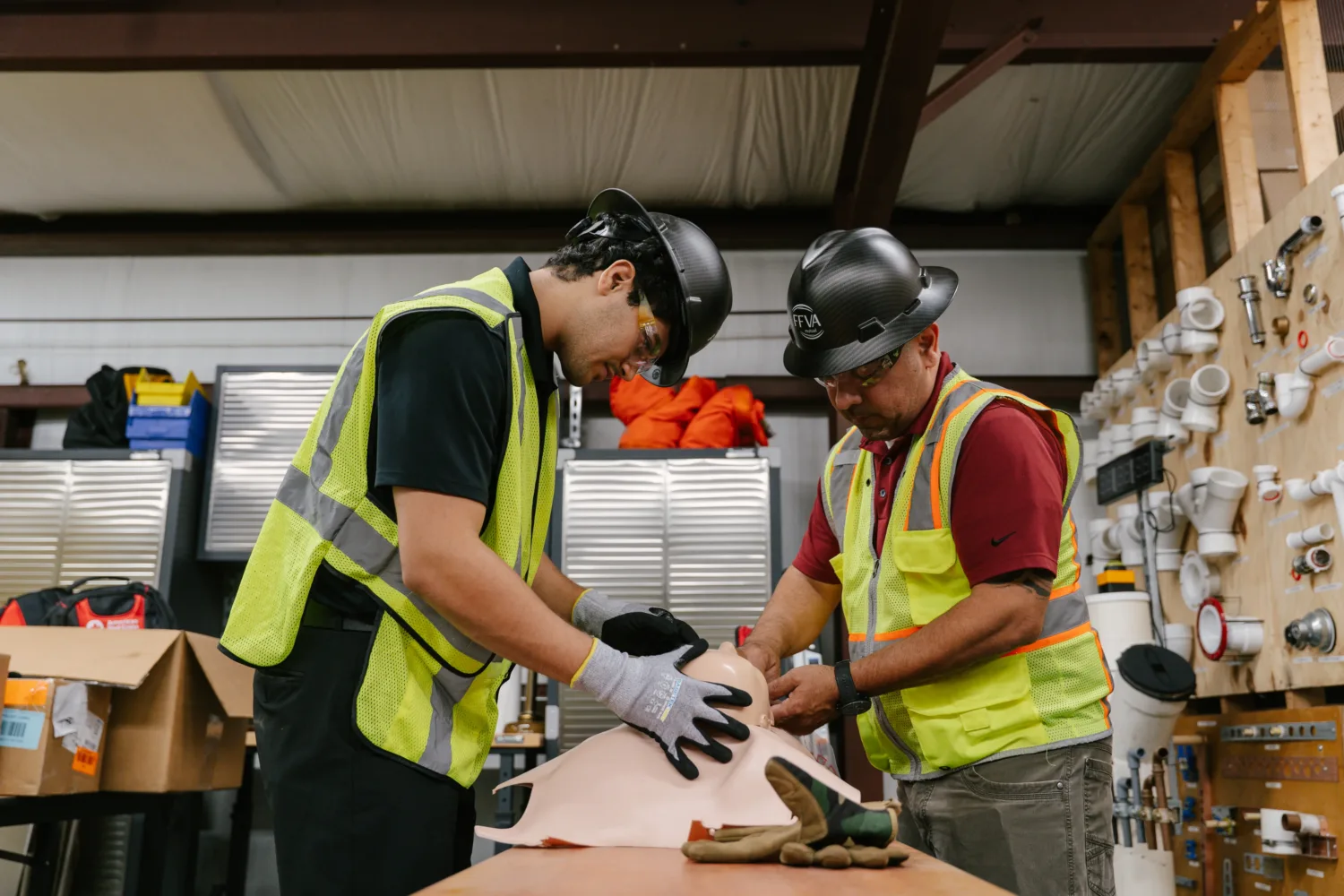
Employee Training: Building Awareness and Accountability
Slip, trip and fall prevention is the process of identifying and controlling workplace hazards that cause people to lose traction, stumble or fall — using measures like proper housekeeping, footwear, lighting and employee training. These incidents are among the most common causes of workplace injuries and can lead to serious consequences if not managed properly.
Fortunately, identifying and addressing common hazards can help prevent these accidents and create a safer work environment. It can also help businesses reduce the risk of a third party, such as a customer, vendor or visitor, being injured on their property and pursuing a liability claim. However, taking the necessary steps to mitigate these risks may seem daunting at first. That’s why we’re here to help.
So, let’s explore the most common hazards that cause slips, trips and falls in the workplace so you can create a prevention plan that works for you. By addressing these hazards proactively, you can help protect both the people who enter your workplace and your business from the potentially costly consequences of a slip, trip or fall.
The Impact of Slips, Trips and Falls on Employers and Employees
Slips, trips and falls can have a significant impact on both employees and employers. These types of accidents can result in serious injuries that can have long-lasting consequences, both physically and financially. In some cases, they might even lead to death. Unfortunately, they’re all too common in the United States, with around 42,000 people dying every year as a result, according to National Safety Council (NSC) statistics.
While all industries are at risk, some are more vulnerable than others. For instance, in the construction industry, falls are the most common cause of on-the-job fatalities.
In addition to the human cost, slips, trips and falls also have a significant financial impact. It’s estimated that fall-related injuries cost $70 billion every year in workers’ compensation payouts and medical expenses. For the employers themselves, they’ll have to pay even more in lost revenue due to employees having to miss work.
Your Role as an Employer
As an employer, it’s your responsibility to ensure that your workplace is safe for your employees. Maintaining a safe property is also an important part of reducing hazards for customers, vendors, contractors and other outside parties who may enter your workplace. This includes taking measures to prevent slips, trips and falls. Not only is it the right thing to do, but it’s also required by law. The Occupational Safety and Health Administration (OSHA) has regulations in place that outline your responsibilities as an employer when it comes to workplace safety. It’s important to be aware of steps to stay compliant when it comes to fall protection.
Taking a proactive approach is crucial. This means identifying potential hazards and taking steps to address them before an accident occurs. You should also provide your employees with the necessary training and resources to help them stay safe on the job. Regularly identifying and correcting hazards can also help reduce the likelihood that someone outside your workforce will be injured while visiting your business.
In addition to the human cost, slips, trips and falls also have a significant financial impact. A customer, delivery driver, contractor or other visitor who slips and falls on business property could potentially pursue a third-party liability claim for their injuries. This can result in hefty sums coming directly from your balance if you’re not covered by General Liability insurance. While these sums vary, lawsuits can often get expensive quickly without proper protections in place.
Common Slip, Trip and Fall Hazards
Well over half of the falls (67% to be exact) happen when the individual falls at the same level that they are standing on, as opposed to falling from an elevated surface (which causes the remaining 33%). This might go against what many people think about trips, slips and falls, but it’s important to know because it can help you better identify hazards and plan to prevent them.
Like many other workplace injuries, slips, trips and falls are mostly caused mainly by sloppy workplace designs and poor practice. Hazards can be broadly separated into a few main categories:
- Floor Surface Hazards: Slippery surface areas can lead to a fall. That includes any oily or wet surfaces created after a spill that aren’t quickly cleaned or at least properly signposted. Loose rugs or mats can cause a tumble if employees aren’t careful.
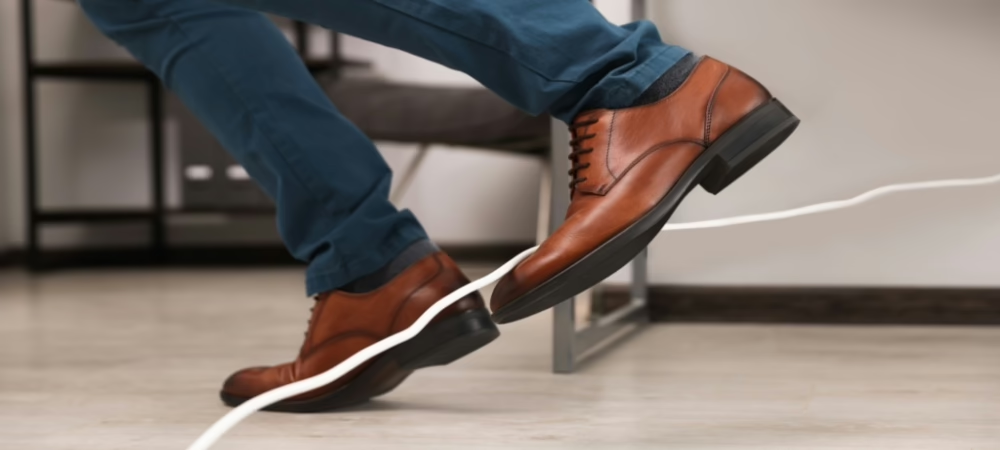
- Obstructions: Anything that blocks a walkway, entrance ways or anywhere else that people regularly walk through could be a fall hazard. That might include drawers not being closed, uncovered cables that aren’t properly flagged or taped down, or even obstructions that keep employees from clearly seeing in front of them.
- Workspace Design: One of the most important, especially when it comes to removing hazards, your workspace design itself might be encouraging trips and falls. Poor lighting in some areas might make it hard to see a tripping hazard, making employees unable to avoid them. Your walking surface might be uneven, too, which can disrupt someone’s balance and cause a fall accident.
Slip, Trip and Fall Injury Prevention Best Practices
Much of slip, trip and fall prevention comes down to properly training employees on best practices to make sure they don’t unnecessarily put themselves at risk. Others require you to take a close look at your workspace design and identify possible workplace hazards that way. You should conduct a thorough job hazard analysis to assess every aspect of every job within your organization to make your work area as safe as possible.
Areas to Focus Your Prevention Efforts:
- Implement Good Housekeeping: This one’s the simplest because it merely requires you and your employees to take good care of your work area. Ensure that all spills are cleaned immediately and that all tools, equipment and materials are stored properly. Regularly inspect walking areas to identify and correct potential hazards, maintaining a clear and safe path for all.
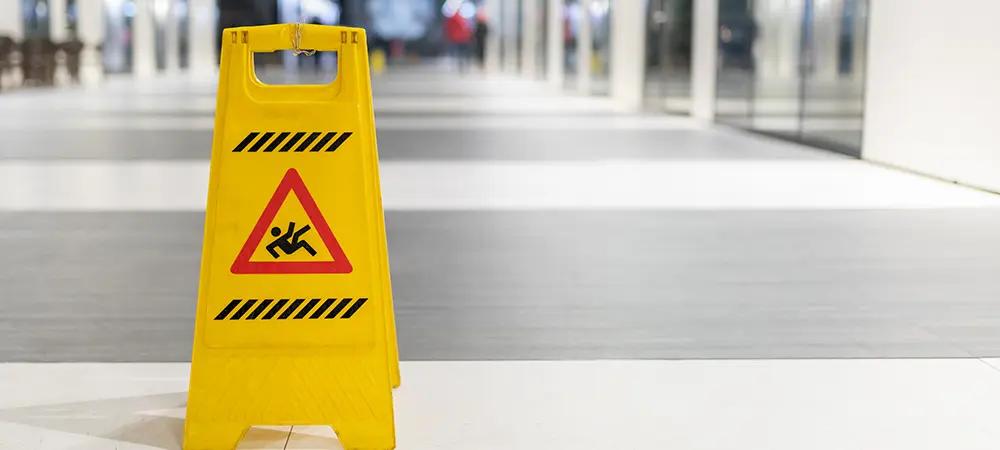
- Use Adequate Signage: Adequate signage can help prevent slips, trips and falls by alerting employees to potential hazards. For example, placing “Caution: Wet Floor” signs in areas where spills may occur can help employees avoid accidents. Additionally, signage in parking lots can direct employees to use designated walking surfaces, reducing the risk of a workplace accident. Clear warnings can also alert visitors to temporary hazards while they are being addressed.
- Ensure Appropriate Footwear: Safety shoes with non-slip soles should be worn whenever the risk of slipping or tripping is high. Employees should also wear steel-toe boots or shoes when working around heavy machinery or in areas with rough surfaces. Encouraging the use of slip-resistant footwear is a key step in injury prevention.
- Consider Workspace Design: It’s likely you’ll have to design your workspace in a way that promotes better workplace safety. Many falls happen from the same level. Implementing floor treatments, such as stair treads and anti-slip coatings, can also increase slip resistance on steps and walkways, as well as handrails in stairwells. You should also install barriers to prevent falls from high places, such as adding railings on balconies or decks. It’s also a good idea to replace all worn-out mats with newer ones with better traction. When evaluating these areas, consider how customers and other third parties navigate the property as well.
- Maintain Equipment and Machinery: Regular maintenance is essential for ladder safety, preventing accidents that could lead to serious injury. Inspect all equipment and machinery on a regular basis to ensure that it’s in good working order. Make sure that stairs, railings and other surfaces are free of debris or grease buildup. If you find anything out of place, fix it immediately.
- Use Proper Lighting: If employees can’t see well, they have a higher risk of falling. Make sure that there are plenty of lights installed throughout your work area and ensure they’re working properly. Consider using motion-activated lights around dark areas where employees walk frequently, so they don’t need to turn on the lights manually each time they pass by them. Adequate lighting in the parking lot and other outdoor walking areas can also help improve visibility at night. This is especially important in entrances, walkways, parking areas and other spaces used by visitors.
- Train Employees on Prevention: Sometimes, slips, trips and falls happen because employees aren’t looking where they’re going and aren’t careful about what’s in front and around them. Train your employees to walk at an appropriate pace, hold the handrail no matter what they’re doing, and encourage them to pay attention whenever they’re walking from one place to another – especially in higher risk areas.
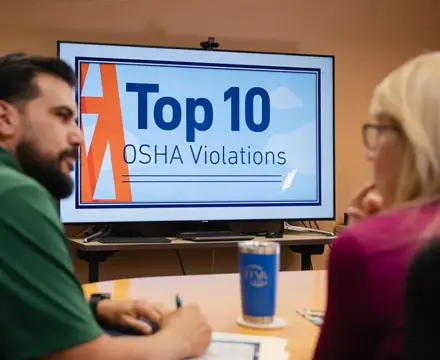
- Conduct Regular Safety Meetings: Often underestimated, safety meetings are one of the best ways to ensure that employees know what safety precautions they should take in order to reduce the risk of slips, trips and falls. Give your workers time to ask questions and clarify any points they don’t understand. These meetings can also be a platform to discuss the importance of reporting potential hazards, such as a trip hazard or slippery surfaces, to management for immediate action.
How General Liability (GL) Insurance Can Help Protect Your Business
Even with a strong slip, trip and fall prevention program, accidents can still happen. When a customer, vendor, contractor or other third party is injured on your business property, the resulting claim can create significant financial exposure for your business.
General liability insurance can help protect businesses against certain covered third-party bodily injury and property damage claims, including claims that may arise from accidents on business premises. Depending on the policy and circumstances of a claim, GL coverage may help with covered legal defense costs, settlements or judgments, subject to the policy’s terms, conditions and limits.
This makes GL insurance an important complement to prevention efforts. Regularly inspecting floors, addressing spills, maintaining clear walkways and improving lighting can help reduce the likelihood of an accident. This coverage provides another layer of protection if a covered third-party claim occurs despite these precautions.
Understanding OSHA Standards for Slips, Trips and Falls
Slips, trips and falls are covered under OSHA’s Walking-Working Surfaces Standard (29 CFR 1910 Subpart D). This regulation requires employers to maintain clean, orderly and hazard-free walking areas while providing fall protection systems where employees are exposed to height-related risks.
Key OSHA requirements include:
- Maintaining floors in a clean, dry and serviceable condition.
- Ensuring ladders, stairways and platforms meet design and load standards.
- Installing guardrails or personal fall arrest systems where falls of four feet or more could occur.
- Providing adequate lighting and clear signage around elevated areas or changing floor levels.
By aligning workplace policies with OSHA standards, employers not only stay compliant but also strengthen their safety culture and reduce the likelihood of costly injuries.
Slip, Trip and Fall Prevention FAQs
What is slip, trip and fall prevention?
Slip, trip and fall prevention is the process of identifying and reducing hazards that cause people to lose traction, stumble or lose balance. Effective programs combine good housekeeping, proper footwear, hazard reporting and environmental controls such as lighting and floor maintenance. These measures can help protect employees as well as customers, vendors and other visitors from preventable hazards.
What are the 5 P’s of fall prevention?
The 5 P’s are Policies, Procedures, Products, People and Place. Together, they form a comprehensive framework for prevention, ensuring that safety rules, equipment, training, worker awareness and worksite design all work together to reduce fall risks.
What is the OSHA standard for slip, trip and fall?
OSHA regulates slips, trips and falls under 29 CFR 1910 Subpart D — Walking-Working Surfaces, which outlines requirements for housekeeping, flooring conditions, stairways, ladders and fall protection systems across general industry workplaces.
How can you prevent slips, trips and falls on set or during production work?
On production sets or temporary worksites, prevention focuses on clear walkways, good lighting and disciplined housekeeping. Keep cables taped down, mark uneven flooring, clean spills right away and require crew members to wear slip-resistant shoes or boots. Establish clear communication between departments to flag new hazards before shooting or construction begins.
Does General Liability insurance cover slip and fall claims?
General Liability insurance may provide coverage for certain covered third-party bodily injury claims arising from a slip, trip or fall, subject to the policy’s terms, conditions, exclusions and limits. Businesses should review their specific coverage with their insurance professional to understand how their policy may respond to a claim.
Looking for More Slips, Trips and Falls Resources?
It’s hard to completely guard against slips, trips and falls. But we want you to be prepared if one of your employees gets injured on the job. To learn more, watch our Slips, Trips and Falls webcast, presented by presented by Karen Johnson, Safety Training & Resource Development Manager, and Carol Norris, Senior Safety & Training Specialist at FFVA Mutual. You can also explore this Slips, Trips and Falls Safety Stand-Down page, offering essential tips and resource packets in English and Spanish.