 Annual Reports
 Report an Injury
 Safety Key
 Upcoming Events
 Agent Login
 Employer Login
 Training Courses
 Ask a Safety Question
















Understanding Risks and How a Business Owners Policy (BOP) Can Help Secure Operations
Workplace safety isn’t just a policy — it’s the backbone of operational success. Every year, preventable accidents cost businesses billions in fines, lost productivity and human suffering. But what if you could identify risks before they escalate?
Safety audits offer a proactive, systematic approach to uncovering gaps in compliance, safety procedures and employee practices.
These audits go beyond routine safety inspections, which focus on spotting hazards like wet floors or faulty equipment. Instead, safety audits evaluate the entire ecosystem — including policies, training, leadership and employee behavior — to ensure long-term safety performance. They can also help businesses identify property and facility risks that could affect operations. Once you uncover potential property risks, a Business Owners Policy (BOP) can protect your business property while also providing liability protection when covered accidents, injuries or property damage occur.
In this guide, you’ll learn:
- What a safety audit entails (and how it differs from daily safety inspections).
- Why audits are critical for meeting safety regulations and protecting your team.
- How to conduct your own effective safety audit, step by step.
- How identifying facility and property hazards can help you recognize areas where a BOP may provide protection.
What Is a Safety Audit?
A safety audit is a structured, thorough evaluation of your organization’s safety practices, policies and compliance with Occupational Safety and Health Administration (OSHA) standards. Think of it as a diagnostic tool for your safety culture: It identifies weaknesses in documentation, training and day-to-day operations, providing a roadmap for improvement.
As part of that process, businesses can also look beyond employee safety and consider conditions that put their buildings, equipment, inventory and other business property at risk.
Safety Audits vs. Safety Inspections
While both are essential, they serve distinct roles:
- Safety inspections: Focus on immediate hazards (e.g., broken machinery guards, blocked exits), and are conducted frequently (daily/weekly).
- Safety audits: Assess why hazards exist. For example, an audit might reveal that inadequate training leads to improper equipment use. Conducted quarterly or annually.
Types of Safety Audits
There are a few different types of safety audits to know about:
- Compliance audits: Verify adherence to safety legislation (e.g., OSHA 1928 for agriculture).
- Program audits: Evaluate the effectiveness of written safety programs.
- Management system audits: Review leadership’s role in fostering safety initiatives.
- Process-specific audits: Target high-risk tasks like lockout/tagout procedures.
- External audits: Conducted by third-party safety auditors for unbiased insights.
Why Safety Audits Matter
Ignoring safety audits is like navigating a storm without a compass — risky, costly and avoidable.
Consider these consequences of neglecting audits:
- Fines: OSHA penalties for serious violations exceed $16,500 per incident, and repeat offenders face doubled fines.
- Injuries: Workplace accidents often stem from poor safety practices, like improper equipment use or inadequate training.
- Reputational Damage: A single avoidable incident can erode trust with clients, employees and insurers.
But beyond the negatives, safety audits can also offer a few benefits.
5 Benefits of Regular Safety Audits
1. Ensure Compliance with OSHA and Safety Regulations
Audits verify adherence to standards like OSHA 1910 (general industry) or 1928 (agriculture). For instance, a compliance audit might flag missing personal protective equipment (PPE) logs, helping you avoid citations.
2. Identify Gaps in Safety Management Systems
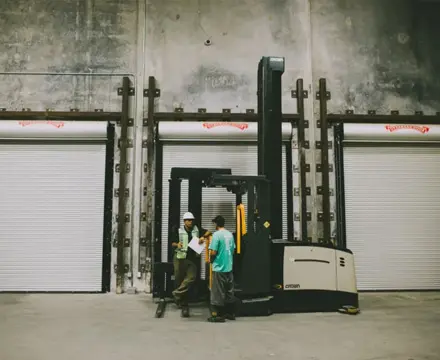
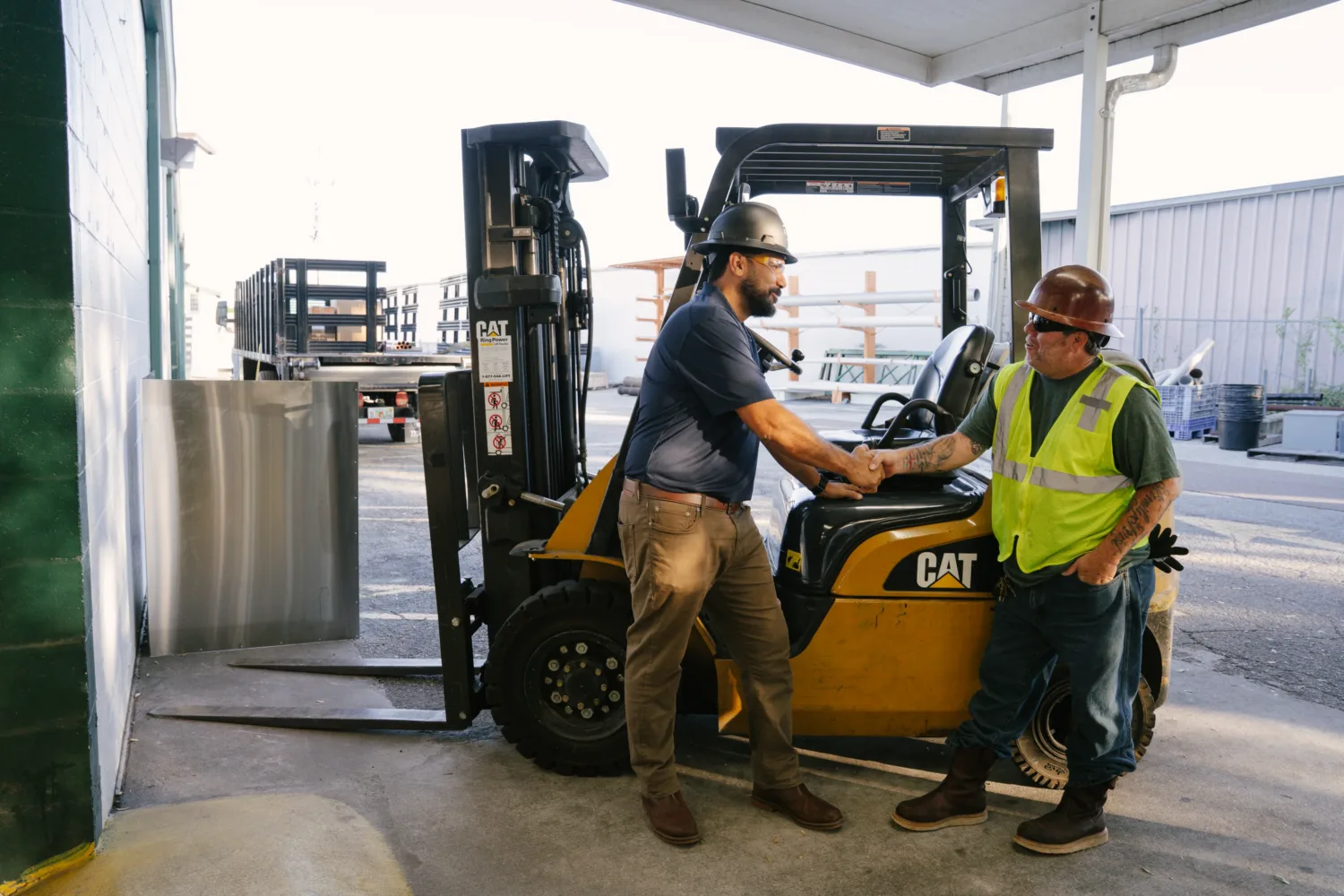
Audits reveal systemic issues, like outdated safety policies or inconsistent training records. For example, a warehouse might discover that 10% of forklift operators lack certification — a gap they can quickly resolve with targeted safety training.
3. Reduce Workplace Accidents and Near Misses
Proactive hazard identification helps address risks before they escalate. For example, routine audits in agricultural settings might reveal issues like unguarded machinery or improper chemical storage — issues that, when corrected, significantly lower the risk of injuries.
The same process can uncover property-related hazards, such as overloaded electrical systems, inadequate fire protection, roof or plumbing concerns and unsafe storage areas. Identifying these risks early can help businesses take corrective action before they result in a covered loss.
4. Strengthen Safety Culture Through Employee Involvement
Workers who participate in audits or safety inspections become active partners in risk prevention. This collaboration fosters trust and accountability, encouraging teams to voice safety concerns more openly and consistently.
5. Improve Documentation for Safety Programs
Audits ensure written safety programs align with real-world practices. For instance, many organizations discover through audits that fall protection plans or emergency response protocols need updating to reflect current operations — leading to clearer guidelines and improved compliance.
By prioritizing regular safety audits, you’re not just checking boxes — you’re building a resilient, compliant and safer workplace.
Preparing for a Safety Audit
A successful safety audit begins long before the audit team arrives onsite. Preparation ensures the process runs smoothly, uncovers actionable insights and minimizes disruption to daily operations.
Here’s how to set the stage for an effective safety audit:
Gather Essential Documentation
Review safety policies, incident reports, training records (e.g., forklift certifications, lockout/tagout training) and written safety programs. These documents provide a baseline for evaluating compliance and identifying gaps. For example, outdated PPE logs might reveal inconsistent enforcement of safety procedures, while near-miss reports could highlight recurring hazards like slip, trip and fall risks.
You may also want to review information related to your facility and property, such as maintenance records, equipment inventories, fire protection systems and previous property damage. These details can help reveal areas of potential property risk.
Customize Your Safety Audit Checklist
Tailor your checklist to your industry’s risks. Agricultural businesses, for instance, should include checks for chemical storage compliance with hazard communication standards, machinery guarding (OSHA 1928.57) and heat stress protocols.
Communicate the Audit’s Purpose
Frame the audit as a collaborative effort to improve workplace safety, not a blame game. Share a clear message like, “Your input is vital — let’s work together to strengthen safety for everyone.” This reduces anxiety and encourages employees to share honest feedback during interviews and observations.
Schedule Strategically
Plan the audit during peak operational hours (e.g., harvest season, production shifts) to observe real-world workflows. For example, auditing a packaging facility during a midday rush can reveal risks like rushed equipment use or blocked exits that might not surface during quieter times.
Equip Your Team with Tools
Ensure the audit team has cameras, checklists and note-taking tools to document findings. For digital efficiency, use safety audit software to log hazards in real time and generate instant reports.
Following these tips will create a solid foundation for the audit process, paving the way for actionable results that protect your team and streamline compliance while helping you pinpoint risks to your property and facilities that could derail your business.
8 Steps to Conducting a Safety Audit
Now that you’re prepared, it’s time for your safety audit. Here’s how the process works:
Step 1: Define the Audit Scope and Objectives
Begin by setting clear, actionable goals for your safety audit. For example, “Evaluate PPE compliance in warehouse areas” or “Assess lockout/tagout adherence during equipment maintenance.”
Align these objectives with safety standards relevant to your industry — OSHA 1910 for general industry, 1928 for agriculture or ANSI guidelines for machinery safety. A focused scope ensures the audit remains manageable and targeted, avoiding overwhelm for your audit team.
Step 2: Assemble an Audit Team
A well-rounded audit team combines expertise from different roles: safety professionals to interpret regulations, supervisors to contextualize workflows and frontline workers to highlight day-to-day challenges.
For instance, a farm audit team might include a safety officer, equipment operator and harvest supervisor. Cross-departmental representation ensures diverse perspectives, uncovering risks a single evaluator might miss. For external audits, certified safety auditors add impartiality, particularly useful for high-stakes evaluations.
Step 3: Conduct On-Site Observations
Visit worksites during active operations to observe real-world safety practices. Document conditions with photos, checklists and notes — for example, recording unguarded machinery in a packaging facility or improper chemical storage in a barn.
Additionally, identify any conditions that could affect business property, including electrical hazards, fire risks, water damage concerns, equipment issues and unsafe storage.
Use hazard identification techniques to trace issues to their root cause. Engage employees informally: Ask a forklift operator how they perform pre-shift inspections or a fieldworker about heat stress protocols.
Step 4: Interview Employees and Managers
Structured interviews reveal gaps in training and compliance. Ask questions like:
- How often do you receive refresher safety training?
- Have you encountered obstacles when reporting safety concerns?
- What changes would make your daily tasks safer?
- Are there business conditions you think could possibly lead to property damage or disrupt operations?
Ensure anonymity to encourage candid responses. For example, a poultry plant worker might disclose shortcutting sanitation steps due to time pressure — a risk needing systemic fixes, not individual blame.
Step 5: Identify Hazards and Non-Compliance Issues
Pinpoint risks using industry-specific examples. In agriculture, common findings include unguarded PTO shafts (violating OSHA 1928.57), improper pesticide labeling (failing hazard communication standards) or blocked fire exits in grain handling facilities (violating OSHA 1910.272). For construction, focus on fall protection or slip/trip hazards. Document each issue with photos, location details and relevant safety regulations.
As you document your findings, separate risks to your employees from risks to property and operations. For instance, a blocked exit creates a safety concern, while faulty wiring, a leaking roof or inadequate equipment maintenance may also create potential property problems.
Step 6: Analyze Data and Prioritize Risks
Compile findings into an audit report, categorizing issues by severity and likelihood using a risk matrix. For example:
- Critical: Unguarded machinery with high injury potential.
- Moderate: Frayed electrical cords in low-traffic areas.
- Low: Missing signage in storage rooms.
Prioritize corrective actions for critical risks first. Share the report with leadership to secure buy-in for urgent fixes, such as immediate equipment repairs or retraining.
Step 7: Implement Corrective Actions
Assign clear responsibilities and deadlines. For instance, require maintenance crews to install machine guards within 48 hours or schedule lockout/tagout retraining by week’s end. Update safety policies to address recurring issues — like mandating weekly PPE checks — and communicate changes through safety meetings or toolbox talks.
After implementing safety-related fixes, it’s important to review your existing insurance protection to determine if they address the types of covered losses your business could face. A Business Owners Policy combines essential property and liability protection in one policy, providing another layer of protection alongside your safety and risk-management efforts.
Step 8: Monitor Progress and Schedule Regular Audits
Conduct follow-up safety inspections within 30 days to verify compliance. Integrate audits into your management system by scheduling them quarterly or biannually. Encourage employees to participate in safety initiatives like peer-led inspections or safety moment discussions. Consider external audits annually to validate internal efforts and uncover blind spots.
Protect Your Business Beyond the Safety Audit
A safety audit helps you identify hazards before they become larger problems, but risk management doesn’t stop once your audit is complete. Reviewing your business property and liability exposures can help you take a more comprehensive approach to protecting your operations.
A BOP brings together essential property and liability protections under one convenient policy, helping you protect your business property while also providing liability protection when covered accidents, injuries or property damage occur.
As you review your audit findings, consider which property and liability risks could affect your business and whether your current coverage is designed to address them.
Safety Audit and BOP FAQs
How Does a Business Owner Policy Work with Workers’ Compensation?
A BOP helps protect your business property against certain liability risks, while workers’ compensation focuses on work-related employee injuries and illnesses. Together, they help address different and equally important areas of business risk.
What Does a BOP Typically Cover?
A Business Owners Policy typically combines commercial property insurance, general liability insurance and business interruption coverage into a single bundled package.
Who Should Consider a BOP?
Any business owners who want to bundle critical coverages into one more affordable package.
Strengthen Your Workplace Safety with FFVA Mutual
Conducting regular safety audits is a proven way to protect your employees, ensure compliance and build a workplace where safety is everyone’s responsibility. But you don’t have to navigate this process alone.
At FFVA Mutual, we’re committed to helping businesses like yours create safer workplaces through:
- Customized training programs: From OSHA compliance to hazard communication, our courses equip teams with practical skills.
- Written safety program development: Tailored plans that align with your operations and regulatory requirements.
- Safety leadership strategies: Tools to empower managers and frontline workers as safety advocates.
- Risk-focused guidance: Resources to help you identify workplace, facility and property hazards and take steps to address them.
Ready to elevate your safety practices? Connect with our team about what a BOP could do for your organization.