
 Annual Reports
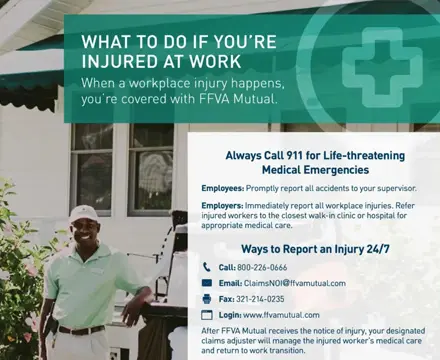
 Report an Injury
 Safety Key
 Upcoming Events
 Agent Login
 Employer Login
 Training Courses
 Ask a Safety Question
Rated A- by AM Best, FFVA Mutual is proud to provide trusted workers’ compensation insurance to a variety of businesses in all major industry groups in 10 licensed states: AL, FL, GA, IN, KY, MS, NC, SC, TN, and VA.








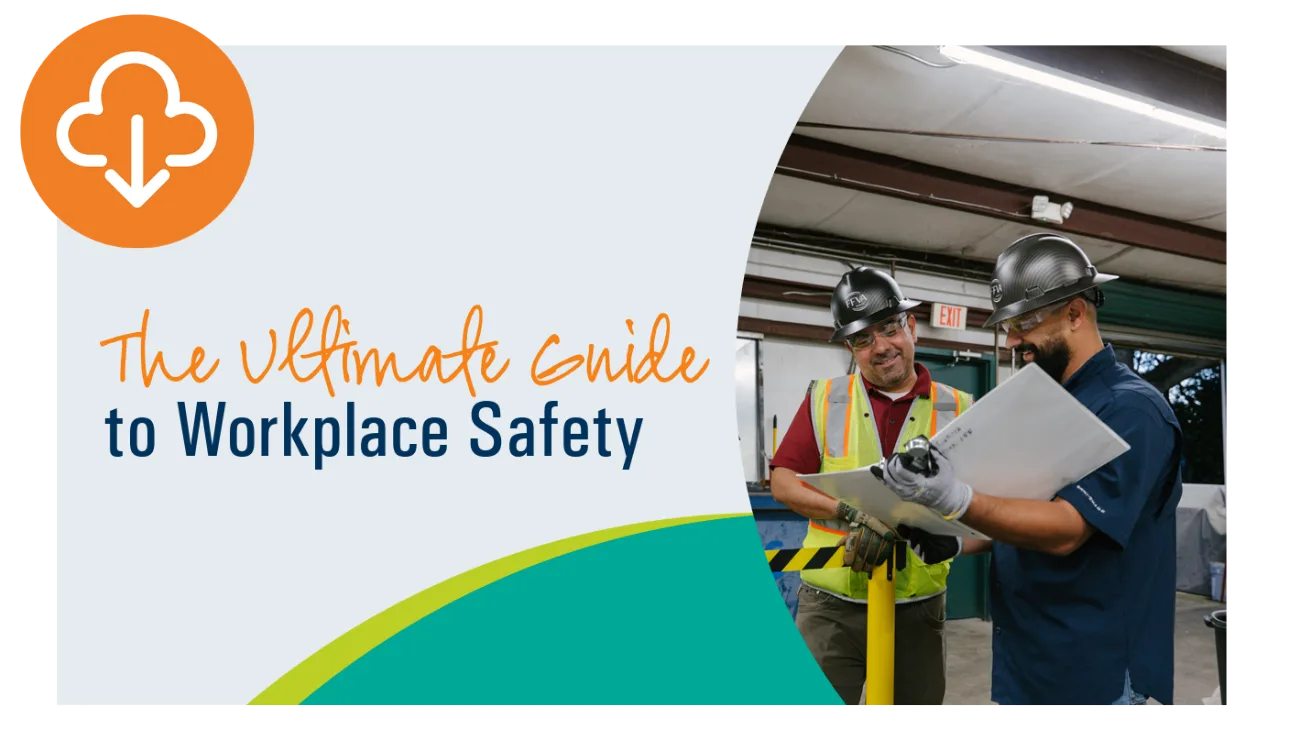
The Ultimate Guide to Workplace Safety
Protect Your People. Strengthen Your Business. Download the Guide.
Build a Safer Workplace With Practical Steps You Can Use Now
Simple, Actionable Guidance to Help You Prevent Injuries and Strengthen Safety Every DayWorkplace safety is the daily practice of protecting teams from hazards, preventing accidents and reducing occupational diseases. A strong safety program creates a safe environment where people feel supported, engaged and productive.
With the right systems in place, you can prevent injuries, reduce costs and strengthen team morale. That’s why FFVA Mutual created The Ultimate Guide to Workplace Safety to give employers practical steps, proven measures and ready-to-use resources.
Why Safety at Work Can’t Wait
Workplace safety goes beyond compliance. It’s an investment in occupational health, employee retention and long-term risk reduction. By addressing safety concerns early, employers protect their teams and minimize the chance of costly workers’ comp claims.
FFVA Mutual partners with employers through initiatives like Safety Stand-Downs and tailored prevention programs to make safety a daily practice, not a once-a-year exercise.
The Ultimate Guide to Workplace Safety builds on this approach, offering clear steps and resources to help you strengthen your safety culture and resilience.
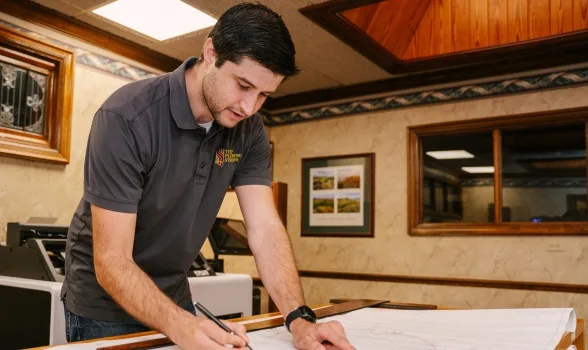
5 Ways Workplace Safety Protects Your Business
A strong safety culture can improve more than compliance. It helps protect employees, support worker safety, manage risk and strengthen the workplace.
- Prevent Injuries Before They Happen: The most effective safety practice is prevention. When employers identify workplace risks early, they can apply effective safety measures before a workplace injury occurs.
- Support Occupational Safety and Compliance: A consistent occupational safety process helps employers follow applicable workplace safety regulations, document safety procedures and keep workers informed about their responsibilities.
- Control Claim Costs and Business Disruption: Workplace accidents can affect staffing, productivity, claims and insurance costs. Prevention reduces the chance that one incident will create a ripple effect across the business.
- Improve Employee Engagement: Employees are more likely to participate in safety when they know their concerns will be heard. Reporting, inspections and safety committees can help turn workers into active partners in prevention.
- Build a Strong Safety Culture: A strong safety culture grows through daily habits. Leadership, supervisors and employees all play a role in making safety part of every shift, meeting and task.
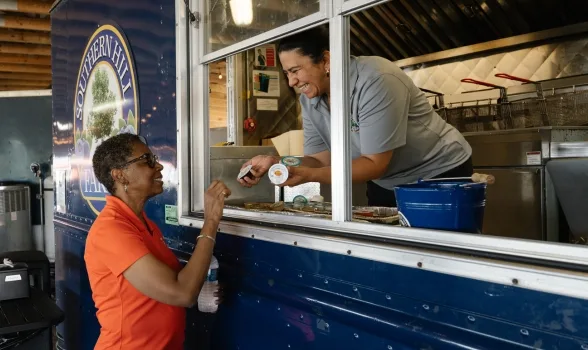
Safety Programs Help Prevent Injuries
Workplace safety protects people first. It also helps employers reduce workplace injury costs, control claims, support employee morale and keep daily operations moving.
A strong safety program helps you:
- Reduce workplace incidents and costly downtime
- Improve employee health, retention and engagement
- Strengthen compliance with workplace safety standards
- Address safety concerns before they become claims
- Build a safe work environment where workers know what to do
What’s Inside

Workplace Safety: Protecting People and Your Business

The Cost and Causes of Workplace Injuries

Why Safety Is a Smart Business Strategy

Injury Prevention That Works: The Hierarchy of Controls

Identifying and Assessing Workplace Hazards

Engaging Employees in Safety

The Employer’s Responsibility

Creating a Culture of Safety at Work

Build Your Workplace Safety Program

Safety in Action – Next Steps
Workplace Safety FAQs
Workplace safety is the practice of protecting employees and workers from hazards, injuries, occupational diseases and unsafe conditions. It includes safety policies, safety procedures, training, hazard identification and the use of safety measures that help create a safe work environment.
When it comes to a safe workplace, important conversations matter because they connect employee safety with business stability. A safer work environment can reduce injuries, protect workers, support employee morale, lower claims and help employers meet occupational safety responsibilities.
Basic safety rules include identifying hazards, following safety procedures, using safety equipment correctly, reporting unsafe conditions and completing required safety training. A simple safety rule should be clear, visible and reinforced often.
The five golden safety rules are:
- Identify hazards.
- Define safety measures.
- Provide proper equipment.
- Train employees.
- Prepare for emergencies.
Employers can improve their safety program by inspecting work areas, encouraging reporting, updating safety training, maintaining equipment and involving employees in safety decisions. A safety program should be reviewed regularly so it reflects current tasks, staffing and risks.
OSHA requires that employers must:
- Provide a safe work environment.
- Post required notices.
- Train employees.
- Keep records of incidents.
- Comply with hazard communication standards.
A workplace can build a safety culture by making safety part of daily work. Leaders should discuss safety often, recognize safe behavior, respond quickly to hazards and give employees a clear voice in preventing incidents.