 Annual Reports
 Report an Injury
 Safety Key
 Upcoming Events
 Agent Login
 Employer Login
 Training Courses
 Ask a Safety Question



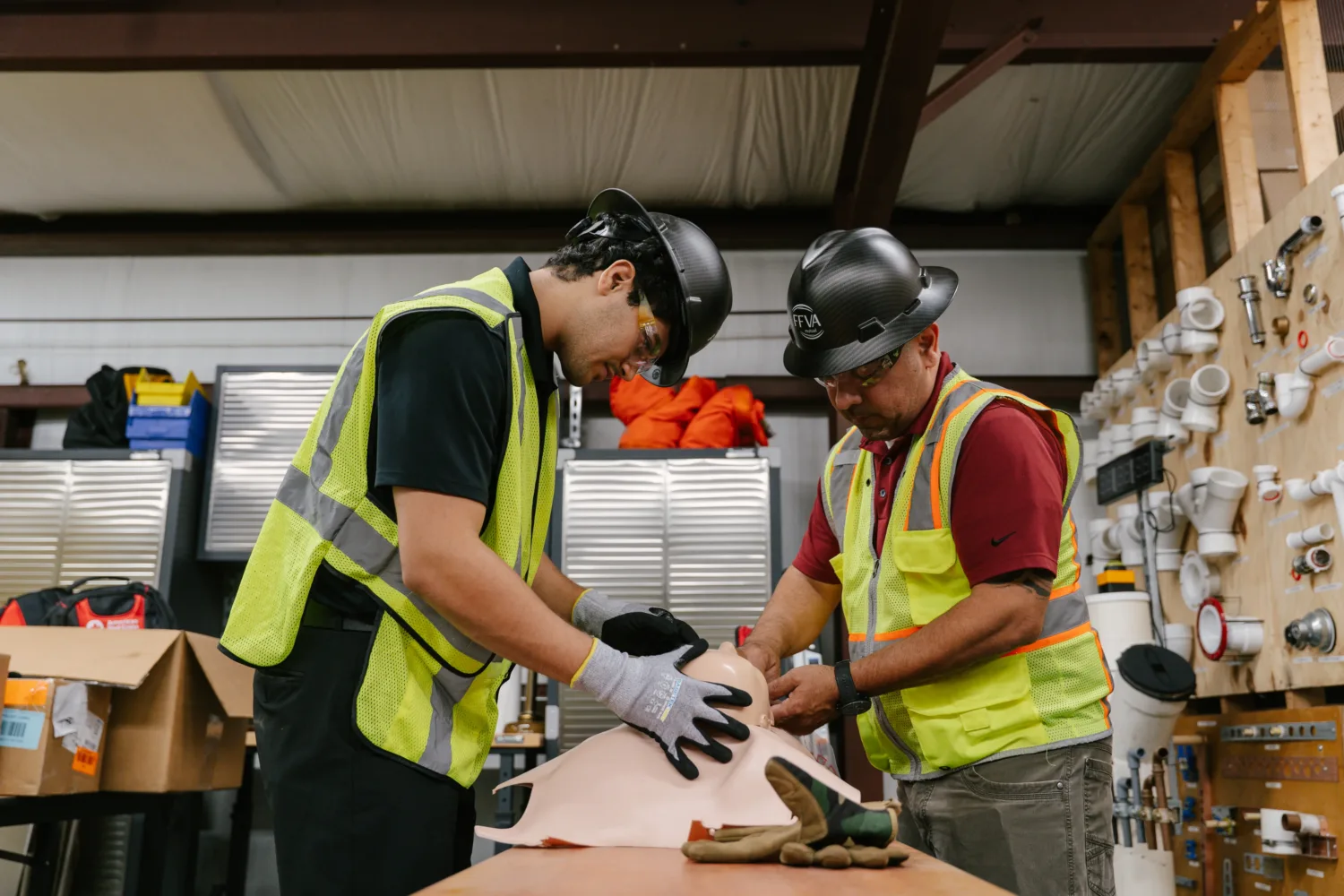
Common Causes to Watch Out for and How General Liability Coverage Can Help
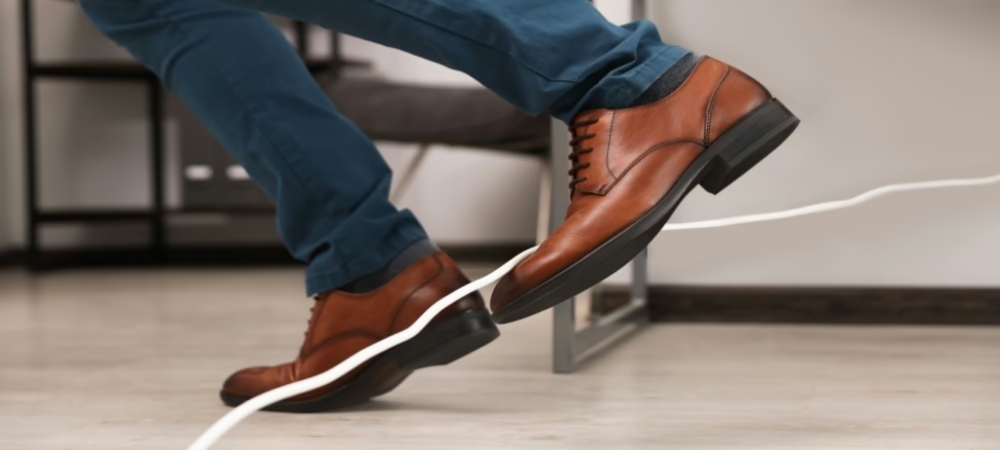
Trip hazards are any objects, conditions or surface irregularities that can cause someone to lose their balance and fall. In the workplace, common trip hazards include cables, clutter, wet floors, uneven walking surfaces and poor lighting. And while a fall might seem minor, the National Safety Council (NSC) reports that, annually, slips, trips and falls account for about 405,540 injuries resulting in Days Away From Work, Job Restriction or Transfer (DART).
In addition to the injury itself, slips, trips and falls can cost the company in workers’ comp and even OSHA fines. For instance, the NSC reports the average fall incident costs $47,316, while potential OSHA penalties incur an additional $15,625 per violation. Even outside of your direct team, third-party risks exist, even if you’re taking all the necessary precautions.
Understanding and mitigating these fall hazards in the workplace is an essential step toward creating a safer and more productive work environment. This includes opting for General Liability insurance coverage, which can protect your business from slip-and-fall lawsuits and third-party risks. Let’s take a closer look at the most common tripping hazards, how to stop them in their tracks and when to choose additional coverage outside of your existing policy.
Common Workplace Trip Hazards at a Glance
- Cables and extension cords.
- Cluttered walkways.
- Open drawers or cabinets.
- Wet or slippery surfaces.
- Improper footwear.
- Damaged or uneven flooring.
- Loose rugs or mats.
- Spills or debris.
- Staircases without handrails.
- Insufficient lighting.
The Most Common Causes of Slips, Trips and Falls
Before diving into specific hazards, it’s important to understand what constitutes a slip, trip or fall:
- Slip: Occurs when there is a loss of footing, often on slippery walking surfaces, like wet floors or areas with spilled liquids.
- Trip: Happens when an obstruction causes imbalance, like cords or clutter left in walkways.
- Fall: Results from a slip or trip and can lead to severe injuries, especially from elevated surfaces.
Being mindful of these distinctions helps identify risks more accurately, allowing for tailored safety measures to address common trip hazards, including…
10 Common Trip Hazards That Cause Workplace Accidents
Here are 10 of the most common causes of tripping in the workplace (and how to prevent them):
1. Cables and Extension Cords
Loose cables and extension cords stretching across walkways are major trip hazards. They’re common in offices, warehouses and construction sites, where equipment often needs to be powered by outlets located far from workstations.
To prevent trips, secure all cords with covers or route them along walls where possible. Cable management systems can also be helpful in ensuring cords are neatly organized and safely out of high-traffic areas.
2. Cluttered Walkways
Clutter is one of the most common fall hazards in workplaces. Tools, boxes and equipment left in hallways create unnecessary obstacles that employees may not anticipate.
A clean, clutter-free workspace is essential to reduce trip hazards and improve overall safety. Set clear protocols for keeping walkways clear and designate storage spaces for items that could pose a trip risk if left unattended.
3. Open Drawers or Cabinets
Speaking of walkways, drawers and cabinets that are left open create unexpected obstacles for workers. Encourage employees to close drawers and cabinet doors immediately after use. Installing drawer stops that prevent them from being pulled out too far can also reduce the likelihood of creating tripping hazards in shared workspaces.
4. Wet or Slippery Surfaces
Rainy days, spillages or freshly mopped floors are just a few reasons why a floor can get slippery. Make sure to clean up spills quickly and use “Wet Floor” signs to keep everyone in the loop. In high-traffic areas, non-slip mats can add an extra layer of safety.
5. Improper Footwear
Shoes with poor traction can lead to slips and trips, especially in areas where spills occur or on floors with smooth surfaces. For slippery work environments, encourage employees to wear appropriate footwear, particularly those working in warehouses, factories or outdoor spaces. Slip-resistant shoes can greatly reduce trip risks and contribute to a safer work environment.
6. Damaged or Uneven Flooring
Cracks, raised edges or uneven floor tiles may seem harmless, but they’re classic tripping hazards. Routine inspections can catch these issues early. Fixing or smoothing out uneven surfaces makes everyone’s steps more secure.
7. Loose Rugs or Mats
Mats and rugs that shift easily underfoot can become a significant tripping hazard. This is particularly common at entrances where rugs are used to catch debris and water from shoes. Opt for mats with non-slip backings and secure them to the floor if necessary to prevent them from moving unexpectedly.
8. Spills or Debris
Spills, litter and even something as small as a dropped pen cap or a stray piece of paper can cause a serious fall. But a little housekeeping can go a long way.
Make it standard practice for employees to clean up any items or spills as soon as they’re noticed. In workspaces where debris is frequent, such as construction sites, assign regular cleaning responsibilities to keep floors clear.
9. Staircases Without Handrails
Staircases lacking handrails or those with inconsistent step heights can lead to serious falls. It’s worth ensuring your staircases are up to code.
OSHA requires handrails for staircases with four or more steps, emphasizing their importance in workplace safety. Regularly inspect staircases to ensure they meet safety standards and promptly repair any steps that appear loose or damaged.
10. Insufficient Lighting
While workers won’t be tripping over shadows, a poorly lit walkway, stairwell or parking lot hides tripping hazards from sight.
Ensure that all areas of the workplace are well-lit — from the parking lot to the stairwells and storage rooms — and be sure to regularly replace any burnt-out bulbs. Motion-activated lighting can be particularly useful in areas with infrequent traffic, providing illumination only when needed.
Take Action: Conduct a Workplace Trip Assessment
Ready to take action? A thorough trip hazard assessment is essential to start identifying and mitigating risks. Here’s a step-by-step approach:
1. Conduct a walkthrough audit: Begin with a walk-through of common areas, including entryways, stairwells and high-traffic zones. Observe any obvious tripping hazards and take notes.
2. Identify high-risk zones: Pay special attention to areas prone to hazards, like loading docks, storerooms and shared corridors. High-risk zones typically require more frequent inspections and preventive measures.
3. Document your findings: Thoroughly document each hazard you find, noting its location, potential severity and frequency. Accurate documentation helps prioritize which hazards require immediate attention.
4. Engage employees: Talk to employees and involve them in the process to gather insights on less obvious hazards they encounter daily. Employees can provide valuable feedback on areas of concern that management might overlook. Be sure to include these findings in your documentation.
5. Create a hazard checklist: Use a checklist that includes potential hazards like uneven floors, unsecured cables and cluttered walkways. This ensures a systematic approach to assessing tripping risks.
6. Evaluate risks and determine a response: Evaluate each hazard’s impact and likelihood, allowing you to prioritize corrective actions based on urgency.
7. Develop an action plan: Assign timelines and responsibilities for addressing each hazard. Establish clear deadlines for implementing safety improvements to keep the workplace protected and compliant.
How General Liability (GL) Insurance Enhances Workplace Safety
While preventing trip hazards should always be the priority, workplace safety also means considering who else may be exposed to these risks. Customers, vendors, contractors and other visitors can encounter the same wet floors, uneven surfaces, cluttered walkways and other hazards as employees.
If a non-employee slips and falls on your business’s property, they may pursue a claim against your business for their injuries. Unlike employee workplace injuries, which are generally addressed through workers’ compensation, these third-party bodily injury claims can fall under General Liability (GL) coverage. GL insurance can help protect your business from the financial impact of covered slip-and-fall lawsuits and other third-party claims involving bodily injury or property damage.
That’s why identifying and correcting trip hazards is about more than protecting your employees. A thorough workplace safety program can help reduce the likelihood of incidents, while appropriate GL coverage provides an additional layer of protection when a third party is injured despite your prevention efforts.
Trip Hazards Checklist
Use this quick checklist to identify and reduce trip hazards in your workplace:
- Keep walkways clear of tools, cords and debris.
- Clean spills immediately and mark wet areas.
- Repair uneven flooring and damaged surfaces.
- Secure rugs, mats and cables.
- Ensure proper lighting in all work areas.
- Encourage employees to report hazards promptly.
- Conduct regular safety inspections.
Tripping Hazard FAQs
What are trip hazards in the workplace?
Trip hazards are objects or conditions that can cause someone to lose balance and fall. Common examples include loose cables, clutter, uneven flooring and poorly lit areas.
What are the most common workplace trip hazards?
Some of the most common workplace trip hazards include cables and extension cords, cluttered walkways, wet floors, loose mats, uneven surfaces and insufficient lighting.
How can trip hazards be prevented?
Trip hazards can be prevented by keeping work areas clean and organized, securing cables, repairing flooring issues, improving lighting and conducting regular workplace safety inspections.
What is General Liability insurance?
General Liability coverage addresses claims involving third parties, such as your customers or other members of the public outside of your staff team. It protects from claims involving bodily injury, property damage and personal or advertising injury.
Stay Ahead of Trip Hazards with FFVA Mutual
Preventing tripping hazards for your employees and outside parties is an ongoing effort that requires commitment and awareness. FFVA Mutual is dedicated to helping employers stay ahead of safety risks.
Our webcast on slips, trips and falls offers practical insights and hands-on strategies to keep your workplace secure. Join us for this deep dive into workplace slip prevention and discover how a few small changes can make a big difference.
Visit our slips, trips, and falls safety stand-down page for a downloadable resource guide, tips, training and resources to host a stand-down event at your workplace.
To learn more about workplace safety, visit our safety page or contact a Solutionist to find out about GL policy options.