
 Annual Reports
 Report an Injury
 Safety Key
 Upcoming Events
 Agent Login
 Employer Login
 Training Courses
 Ask a Safety Question
Rated A- by AM Best, FFVA Mutual is proud to provide trusted workers’ compensation insurance to a variety of businesses in all major industry groups in 10 licensed states: AL, FL, GA, IN, KY, MS, NC, SC, TN, and VA.
















Return to Work Programs
That Support Your People and Your Business
Make the Transition Back to Work Simple and Seamless
Help injured employees return safely, confidently and productively with a Return to Work Program that works.An effective Return to Work (RTW) Program supports employees after a work-related injury, illness or period of sickness absence. The goal is to get people back on the job safely, at the right pace and with their long-term well-being in mind — all while reducing workers’ compensation costs and lost productivity.
Whether you’re managing a single injured worker or refining your broader absence management strategy, FFVA Mutual’s RTW resources can help you reduce workers compensation costs, improve employee morale and retain valuable employees during recovery.

What is a Return to Work Program?
A Return to Work (RTW) program is a set of policies and procedures that supports employees’ return to a limited or light-duty capacity following a workplace injury.
When effectively organized, RTW programs can be adapted to the needs of each employee, leading to more proactive transition plans and less uncertainty for your management team.

5 Benefits of a Strong RTW Process
A well-designed return to work process can help employers:
- Lower workers compensation and disability claim costs
- Improve employee well-being, engagement and productivity
- Reduce lost productivity and labor market turnover
- Detect potential workers’ compensation fraud earlier
- Retain trained staff and support employee benefits continuity

RTW: Your Roadmap to Resilience
Injured employees often want to return, but uncertainty can get in the way. A thoughtful work RTW program provides structure, support and reassurance.
Our Return to Work eBook includes guidance on:
- Building trust after a workplace injury
- Identifying light-duty tasks and job descriptions
- Developing effective return to work plans
- Navigating workers compensation benefits and claims
- Communicating with the compensation board
- Creating a supportive return process for valuable employees
What’s Inside

Return to Work: Building Trust & Supporting Relationships

The Value of a Return to Work Program

RTW Program Best Practices

Developing Effective Return to Work Policies

General Policy Ideas

Modified, Light-Duty Assignments: What to Expect

Modified, Light-Duty Assignments

Return to Work “DIY Starter Kit
Return to Work Program FAQs
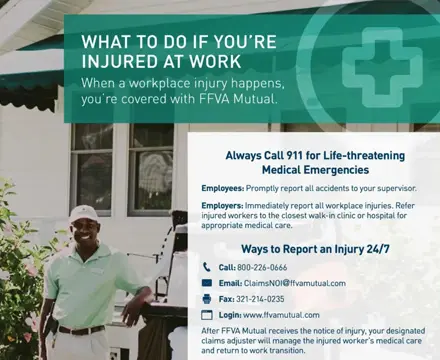
As soon as possible. Prompt reporting is essential for filing a workers’ compensation claim, starting a treatment plan and developing a timely RTW strategy that minimizes disruption and helps employees recover faster. Visit our claims management solutions page for our ways to report and injury poster.
Return to work is the process of transitioning employees back to their job after a work-related injury, illness or extended absence. It outlines modified duties, gradual schedules and recovery milestones tailored to the employee’s current abilities.
A RTW program offers structure and support during recovery, allowing injured employees to stay engaged, maintain income and rebuild confidence. It also helps them return to meaningful work safely and at a pace that fits their condition.
Personalized RTW programs can help employers by:
- Lower medical, legal and disability claim costs
- Improve employee morale
- Reduce lost productivity
- Give employers greater visibility into fraudulent claims
- Motivate employees to return to work quickly and safely
Employers can maintain open communication, coordinate with medical providers and personalize light-duty tasks to match an employee’s abilities. A collaborative approach keeps everyone aligned and helps injured employees reintegrate successfully.
Every injury and recovery is unique. Personalizing your RTW program allows you to tailor modified duties, schedules and expectations to each employee’s physical limitations and medical needs, helping them return safely while maintaining productivity.
To ensure a smooth return to work transition, employers should:
- Report all workplace injuries immediately
- Maintain open communication with employees, claims adjusters and medical providers
- Provide personalized, light-duty work to injured employees on a case-by-base basis
- Ensure your RTW program is known and accessible to all employees
Yes, state workers’ compensation laws and federal regulations, such as the Americans with Disabilities Act (ADA), may apply. Employers and employees should coordinate with the claims adjuster or HR to ensure compliance with all requirements.
Employee Return to Work FAQs
Your return date depends on your healthcare provider’s recommendations and your employer’s policies. Most programs require medical clearance to confirm that assigned tasks align with your recovery needs.
Yes, many RTW programs include phased schedules that increase hours or responsibilities over time. This helps employees adjust physically and mentally while reducing the risk of re-injury.
Modified or light-duty work can let you contribute while respecting medical restrictions. These assignments are designed in collaboration with your healthcare provider and employer to ensure safety and progress.
Notify your employer right away to discuss your situation. Adjustments can be made to your plan, duties or schedule so recovery continues safely without pressure to return too soon.
Yes, reduced hours are common in transitional work arrangements. They allow employees to stay connected to their workplace while gradually rebuilding strength and stamina.