 Annual Reports
 Report an Injury
 Safety Key
 Upcoming Events
 Agent Login
 Employer Login
 Training Courses
 Ask a Safety Question












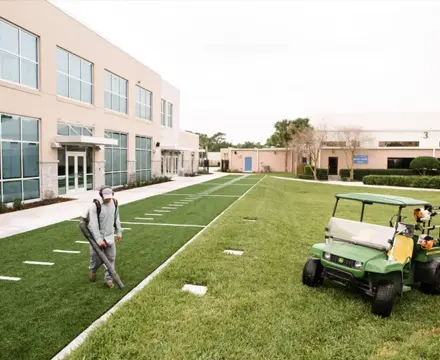

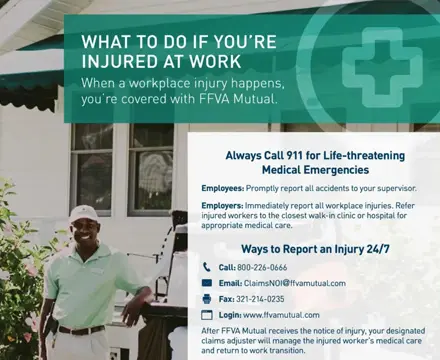
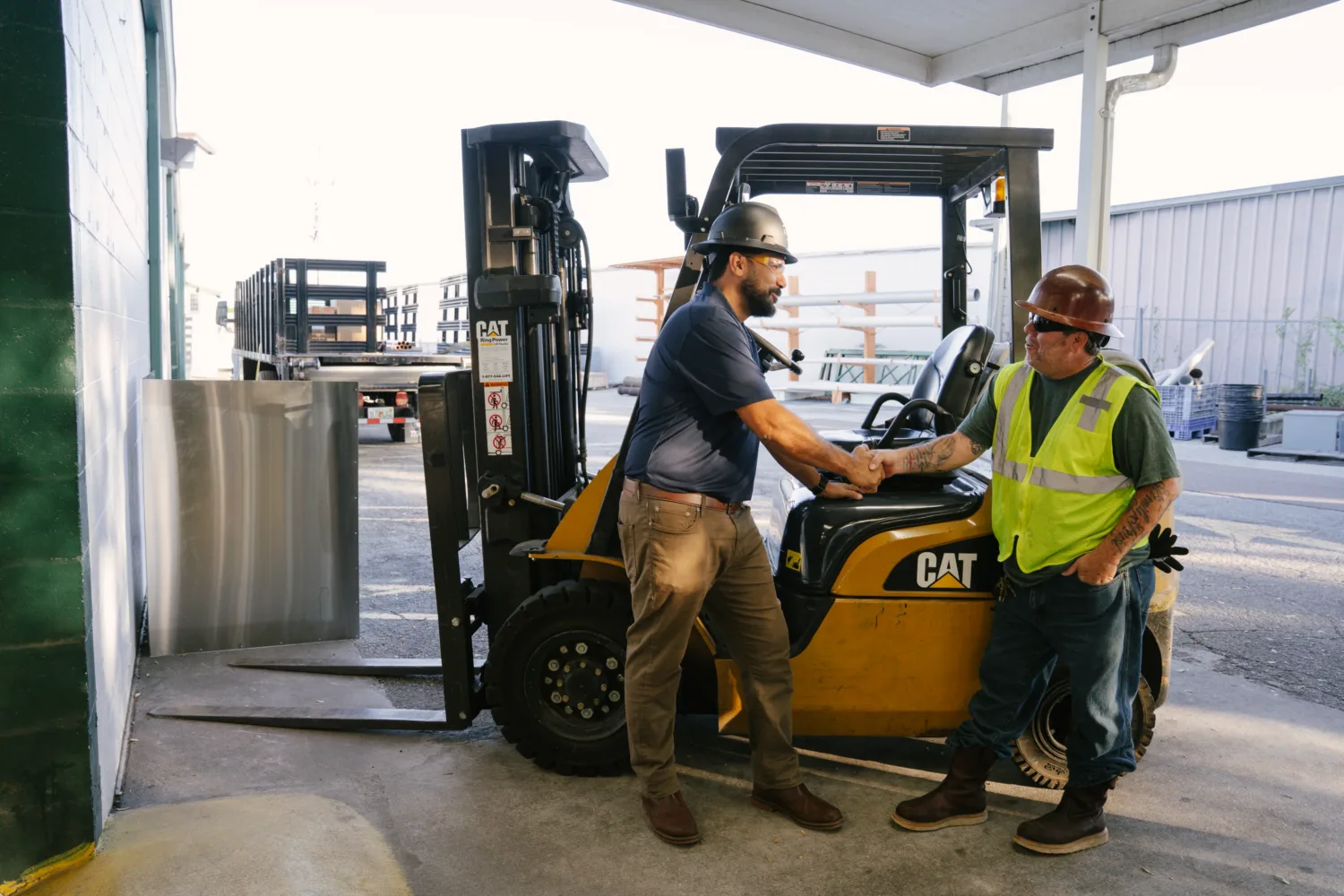


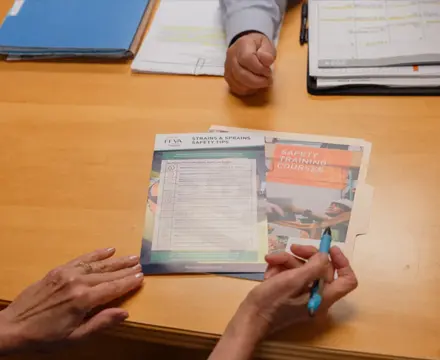


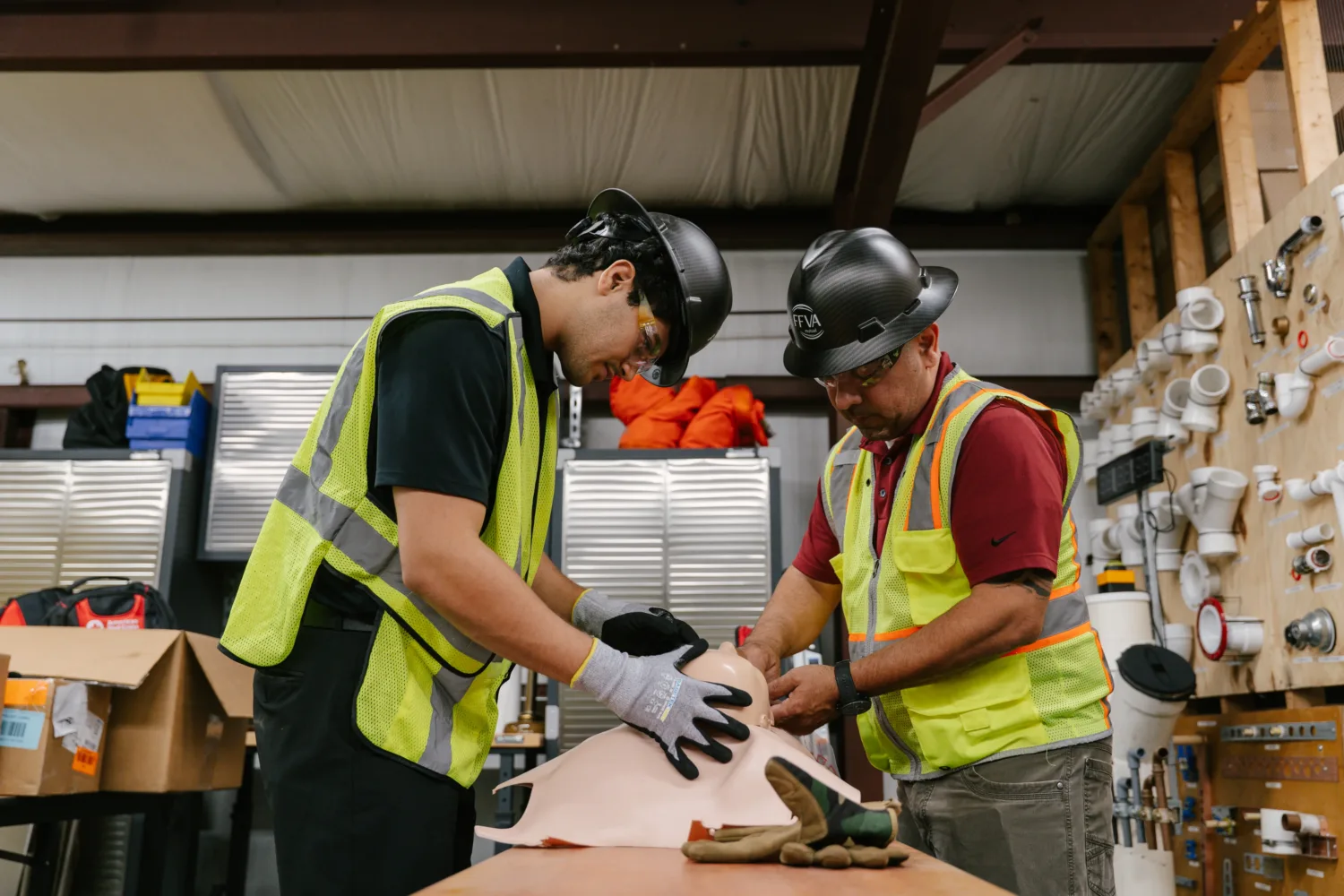

June is a natural time to reset workplace safety priorities. It is the start of summer, National Safety Month and, for FFVA Mutual’s monthly safety topic calendar, it’s Fire Safety Month.
The right June safety topics can help employers keep safety awareness visible and practical. A short safety meeting, toolbox talk or safety moment can remind employees how to recognize a hazard, follow safety protocols and prevent a workplace injury before it happens.
This guide covers 10 June safety topics employers can use to support workplace safety, strengthen safety engagement and build a more proactive safety culture.
June Safety Topics
Use this list to plan a June safety meeting, rotate a different safety topic each week or build short safety tips into daily team communication.
- Fire prevention and extinguisher readiness
- Heat awareness and prevention
- Hydration and break planning
- Storm and severe weather safety
- Outdoor worksite safety
- Equipment inspection and maintenance
- Personal protective equipment for warmer conditions
- Driving and roadway safety
- Sun exposure awareness
- Safe lifting and ergonomics in summer
These topics align with early summer safety concerns and June National Safety Month, which the National Safety Council (NSC) uses to focus attention on leading causes of preventable injury and death.
Why Workplace Safety Matters in June
June is a transition month. Temperatures rise, storm activity may increase, outdoor work often ramps up and employees may still be adjusting to seasonal conditions. Those changes can create new workplace hazards or make existing ones easier to miss.
For employers, June is also an opportunity to reinforce preparation before the hottest months of the year. Heat exposure, fatigue, distracted driving, equipment strain and emergency preparedness can all become more urgent as summer schedules get busier. A proactive safety program can help teams identify potential hazards early and apply practical safety measures before an accident occurs.
10 June Safety Topics for the Workplace
Here’s a closer look at 10 topics to cover during June:
1. Fire Prevention and Extinguisher Readiness
Fire safety is June’s monthly safety focus for FFVA Mutual, and it deserves a prominent place in early summer planning. Warmer conditions, electrical equipment, outdoor work, flammable materials and seasonal maintenance can all increase fire-related risk.
Employers can use June to review fire prevention basics: keep exits clear, store materials properly, inspect cords and equipment and confirm employees know how to report hazards. This is also a good time to review extinguisher locations and remind employees when to use an extinguisher and when to evacuate instead.
2. Heat Awareness and Prevention
Heat is one of the most important summer safety concerns, especially for employees who work outdoors, in vehicles, in warehouses or in non-climate-controlled areas. The National Institute for Occupational Safety and Health (NIOSH) notes that heat stress can lead to heat-related illnesses such as heat exhaustion, heat stroke, heat cramps and heat rash.
Employers should train employees and supervisors to recognize warning signs such as dizziness, weakness, heavy sweating, headache, nausea or confusion. Prevention may include schedule adjustments, shaded or cooler rest areas, acclimatization for new or returning workers and clear reporting procedures when symptoms appear.
3. Hydration and Break Planning
Hydration is a simple but important safety topic for June. Employees may lose fluids quickly during hot, humid or physically demanding work, even before they feel thirsty.
Employers can support summer safety by making water easy to access, encouraging regular hydration and building breaks into high-heat or high-exertion tasks. Supervisors should also watch for signs that an employee needs to pause work, cool down or get medical attention. Hydration reminders are especially useful for outdoor crews, drivers, maintenance teams, warehouse employees and anyone wearing heavy PPE.
4. Storm and Severe Weather Safety
June weather can change quickly. Thunderstorms, high winds, lightning, heavy rain and localized flooding can affect outdoor worksites, delivery routes, construction-adjacent activity and facility operations.
This topic connects closely to emergency preparedness. Employers should review shelter locations, weather alert systems, communication procedures and stop-work expectations. Employees should know who makes weather-related decisions, where to shelter and how to report damage after a storm.
5. Outdoor Worksite Safety
Outdoor work can introduce hazards that are not always present indoors, including uneven ground, insects, sun exposure, traffic, moving equipment and changing weather. A quick pre-shift check can help teams spot a safety hazard before work begins.
Safety leaders can use this topic to reinforce housekeeping, visibility, equipment placement, communication and site access. The goal is to encourage employees to pause, look around and identify anything that could cause an injury.
6. Equipment Inspection and Maintenance
Seasonal changes are a good reminder to inspect tools, vehicles, ladders, cords, machinery, ventilation systems and emergency supplies. Equipment used more often in summer may need extra attention before demand increases.
Employers should encourage employees to report damaged guards, worn cords, leaks, unusual odors, low fluid levels, weak batteries or other signs of trouble. Regular inspections can support risk reduction by addressing small concerns before they lead to downtime, fires, breakdowns or injuries.
7. Personal Protective Equipment for Warmer Conditions
Hot weather can make personal protective equipment less comfortable, but required protection should not be skipped or altered without approval. Instead, June safety training should review what PPE is required, why it matters and how employees can report fit, heat or visibility concerns.
Depending on the job, PPE may include gloves, eye protection, high-visibility clothing, hard hats, protective footwear, sunscreen or task-specific respiratory protection. Employers should make sure PPE is appropriate for the work and that employees understand how to use it correctly.
8. Driving and Roadway Safety
Roadway safety is a practical June safety topic for employees who drive between job sites, make deliveries, visit customers or operate company vehicles. Summer can bring heavier travel, wet roads, glare, work zones, more pedestrians and increased distraction.
The National Highway Traffic Safety Administration reported that 3,208 people were killed in motor vehicle crashes involving distracted drivers in 2024. Employers can promote safe driving practices by reviewing mobile device policies, seat belt use, route planning, vehicle inspections and expectations for avoiding distracted driving.
June also includes Trailer Safety Week, led by the National Association of Trailer Manufacturers. For businesses that tow trailers, this is a reminder to inspect lights, tires, hitches, loads and securement.
9. Sun Exposure Awareness
Sun exposure can be easy to overlook during a workplace safety discussion, but it matters for employees who work outdoors or move between indoor and outdoor tasks. Heat and the sun can also combine to increase fatigue and physical strain.
Employers can encourage sunscreen use, shaded breaks, UV-rated eye protection and appropriate clothing where job duties allow. For high-exposure tasks, supervisors may also consider adjusting schedules or rotating work when practical.
10. Safe Lifting and Ergonomics in Summer
Summer work can involve more material handling, maintenance, stocking, loading, event preparation and outdoor projects. Heat and fatigue can make these tasks more difficult, increasing the chance of strain or injury.
A June safety meeting can reinforce safe lifting basics: plan the lift, keep the load close, avoid twisting, use mechanical aids and ask for help when needed. Ergonomics also applies to repetitive tasks, awkward postures and workstation setup, so this topic is useful for both field and indoor employees.
June Safety Topic FAQs
What Are June Safety Topics?
June safety topics are workplace training themes that help employers address seasonal risks and National Safety Month priorities. Common examples include fire safety, heat awareness, hydration, storm preparedness, outdoor work, PPE, driving safety and safe lifting.
What Safety Risks Increase in Early Summer?
Early summer can increase the risk of heat stress, dehydration, sun exposure, severe weather, fatigue, equipment issues, slips, trips and falls, fire hazards and roadway incidents. These risks may vary by industry, job duties and work environment.
What Are Good Workplace Safety Topics for June?
Good workplace safety topics for June include fire prevention, heat safety, hydration, emergency preparedness, personal protective equipment, roadway safety, equipment inspections, hazard recognition and outdoor worksite safety.
How Often Should Employers Discuss Safety Topics?
Employers can discuss safety topics weekly, monthly or as conditions change. Short meetings, toolbox talks and daily safety moments can keep awareness high without overwhelming employees.
How Can Employers Make June Safety Training More Effective?
Training is more effective when it is specific to the work being done. Employers can use real examples, ask employees to identify potential hazards, review safety protocols and end each discussion with a clear action employees can take that day.
Build Your Year-Round Safety Strategy
June is an important time to prepare employees for early summer hazards and reinforce fire safety, heat awareness, roadway safety and other prevention-focused topics. But a strong safety culture depends on steady communication throughout the year.
By using National Safety Month as a starting point, employers can build a routine that keeps safety visible, practical and connected to daily work. Regular safety training, hazard recognition and employee involvement can help reduce risk and support safer operations month after month.
For more workplace safety resources and timely training ideas, sign up for FFVA Mutual’s newsletter.