
 Annual Reports
 Report an Injury
 Safety Key
 Upcoming Events
 Agent Login
 Employer Login
 Training Courses
 Ask a Safety Question























Winter Risks Put Workers in Jeopardy
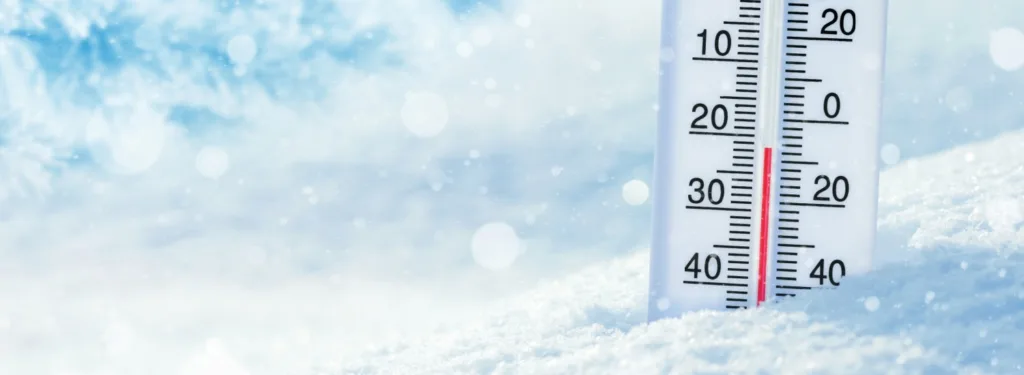
January signals a reset for workplace safety programs and an opportunity for employers to reinforce expectations at the start of the year. Winter conditions introduce risks that cut across industries, from icy outdoor worksites and challenging travel conditions to extended time spent indoors as temperatures drop. These seasonal shifts can quietly increase the likelihood of injuries if hazards aren’t addressed early.
Even in southern states, winter safety matters. Sudden cold snaps, unfamiliar weather patterns and increased use of space heaters or generators can catch teams off guard. When seasonal hazards aren’t addressed early, minor issues can escalate into workplace injuries, near misses or operational interruptions.
Focusing on January safety topics helps employers stay ahead of these challenges. By addressing seasonal hazards early, organizations can reduce winter-related incidents, reinforce safe work habits and set a clear, consistent tone for safety in the months ahead.
10 Essential January Safety Topics
Here are 10 topics you can use to improve safety this winter:
1. Cold Stress Prevention
Cold stress occurs when the body loses heat faster than it can produce it. Prolonged exposure to cold environments can lead to frostbite or hypothermia, particularly for workers outdoors or in unheated areas. Freezing temperatures and windy conditions significantly increase the risk of cold stress.
Protective clothing plays a critical role. Layering, insulated gloves and weather-appropriate personal protective equipment help reduce heat loss. Work schedules that allow warm-up breaks, access to heated spaces and hydration also support safer winter work practices. Supervisors should monitor for early warning signs such as numbness, shivering or confusion, especially during prolonged outdoor tasks.
2. Slip, Trip and Fall Prevention During Winter Weather
Slips, trips and falls are among the most common workplace injuries, and winter weather magnifies the risk. Snow, ice and wet entryways can quickly turn walkways into hazards.
Facilities benefit from proactive housekeeping during the winter months. Clearing walkways, applying ice melt and placing absorbent mats at entrances help reduce risk. Employees should be reminded to use handrails, walk slowly and wear footwear designed for winter conditions. Inside, regular floor inspections help prevent hazards caused by tracked-in moisture.
3. Safe Winter Driving and Commuting
Winter driving presents challenges even for experienced drivers. Black ice, reduced visibility, heavy traffic and vehicle malfunctions increase crash risk during January.
Encouraging safe winter driving practices supports both commuting and work-related travel. Allowing extra travel time, monitoring weather alerts from the National Weather Service and maintaining a safe following distance help reduce incidents. Vehicles should be winter-ready with functional brake lights, proper tire tread and emergency kits. Safe driving expectations reinforce overall driving safety and reduce winter-related accidents.
4. Carbon Monoxide Poisoning Awareness
Carbon monoxide (CO) poisoning remains a serious winter hazard due to increased use of heating systems and reduced ventilation. CO is odorless and colorless, making exposure difficult to detect without proper safeguards.
Employees should understand common symptoms such as dizziness, headaches and nausea. Workplaces benefit from routine inspections of fuel-burning equipment and confirmation that CO detectors are installed and functioning. Adequate airflow and clear policies around generator and heater use help reduce exposure risk during the winter season.
5. Fire Safety with Heating Equipment
January brings a rise in fire safety concerns, particularly where portable heaters or temporary heating solutions are used. Space heaters, overloaded outlets and extension cords can increase ignition risk if not managed carefully.
Clear guidelines help reduce fire hazards. Heating devices should be approved for workplace use, kept away from combustible materials and never plugged into power strips. Fire extinguishers must remain accessible, and employees should know evacuation routes in the event of a winter storm-related power outage. Fire safety awareness remains essential throughout the winter months.
6. Electrical Safety During the Winter Months
Cold weather can strain electrical systems. Brittle wiring, increased heater use and older equipment may elevate electrical safety risks.
Routine inspections of cords, outlets and panels help identify potential hazards early. Avoiding daisy-chained power strips and maintaining clear access to electrical panels support safer conditions. Maintenance teams should follow lockout/tagout procedures when servicing equipment, reinforcing occupational safety standards during winter operations.
7. First Aid Readiness and Emergency Preparedness
Winter storms can disrupt transportation, delay emergency response and impact staffing levels. Emergency preparedness is especially important during January.
Organizations benefit from reviewing severe weather protocols, confirming emergency contact procedures and checking emergency kits for winter supplies. First aid stations and AEDs should remain accessible even during snow or ice events. Preparedness planning helps reduce injury risk and supports continuity during unpredictable winter weather.
8. Indoor Air Quality and Ventilation
During winter months, buildings are sealed tightly to conserve heat, which can reduce ventilation and affect indoor air quality. Poor airflow may contribute to headaches, fatigue or respiratory irritation.
HVAC maintenance, filter replacements and ventilation checks help support a healthier indoor environment. January is also National Radon Action Month, making it a timely opportunity to review radon testing and mitigation strategies. Indoor air quality awareness supports both comfort and long-term worker safety.
9. Mental Health and Post-Holiday Stress
January can be mentally demanding. Shorter daylight hours, cold weather and the transition back to regular schedules contribute to stress and fatigue — especially after the holidays. Seasonal depression and burnout can affect focus and decision-making.
Managers can support mental health by encouraging realistic workloads, promoting employee assistance resources and checking in regularly with teams. Addressing mental well-being as part of workplace safety reinforces a culture that values the whole worker, not just physical hazards.
10. Cybersecurity Preparedness at the Start of the Year
While not always viewed as a traditional safety topic, cybersecurity risks often increase during the winter months. Staffing gaps, remote work and new-year system updates can create vulnerabilities.
Phishing reminders, password updates and secure device practices help protect sensitive information and business operations. Framing cybersecurity as part of workplace safety emphasizes continuity, preparedness and shared responsibility across departments.
Building a Strong Safety Culture in January
January provides an opportunity to reset expectations and reinforce safety culture across the organization. Seasonal toolbox talk topics, winter-focused safety meetings and leadership engagement help keep safety top of mind.
Inviting employees to identify winter hazards and report concerns encourages participation and accountability. Integrating January safety topics into annual training calendars helps maintain consistency and reduces workplace injuries throughout the winter season. A proactive approach early in the year sets the tone for safer operations year-round.
January Safety FAQs
What are the most important workplace safety topics for January?
January safety topics typically include cold stress prevention, slip and fall hazards, winter driving, fire and electrical safety, carbon monoxide awareness, emergency preparedness, indoor air quality and mental health support.
What safety awareness month is January?
January includes National Radon Action Month and is commonly associated with winter safety awareness due to increased seasonal hazards.
What are the key safety messages for winter?
Core winter safety messages focus on staying warm, preventing slips and falls, practicing safe winter driving, using heating equipment safely and preparing for severe weather.
How can employers support mental health in January?
Employers can support mental health by promoting available resources, encouraging balanced workloads and fostering open communication as employees transition back after the holidays.
Start the Year with a Stronger Safety Program
Winter safety training plays a vital role in reducing workplace accidents during the coldest months of the year. Addressing January safety topics early helps organizations protect employees and maintain operational stability.
FFVA Mutual provides tools, guidance and Safety Solutionists to help employers identify seasonal risks and strengthen safety programs. Staying proactive in January supports safer workplaces throughout the year.
Sign up for our newsletter to receive monthly safety insights and resources.