 Annual Reports
 Report an Injury
 Safety Key
 Upcoming Events
 Agent Login
 Employer Login
 Training Courses
 Ask a Safety Question

















July Is Heat Safety Month
July is Heat Safety Month at FFVA Mutual — a time to help employers and employees prepare for the risks that often rise with summer temperatures. For teams working outdoors, in warehouses, in vehicles or around equipment, heat can become a serious workplace hazard. Holiday travel, fireworks, storms and changing schedules may also create risks that deserve attention.
The following July safety topics can help safety managers, supervisors and business leaders plan timely toolbox talks and safety meetings. Use them to reinforce practical precautions, encourage hazard reporting and keep seasonal safety top of mind throughout the summer months.
July Safety Topics: A Quick List
Use these 10 topics to help plan July safety training:
- Heat stress and heat exhaustion
- Hydration and rest breaks
- Sun exposure and outdoor work
- Personal protective equipment in hot conditions
- Fireworks, grilling and fire safety
- Electrical safety and summer storms
- Equipment overheating and inspections
- Driving and travel safety
- Water safety and recreational risks
- Fatigue and mental health
Why Workplace Safety Matters in July
Heat safety should be a central focus during July. Employees working in hot environments can face heat stress and heat-related illness, especially during strenuous work or when they are not accustomed to high temperatures. Heat exhaustion symptoms may include headache, nausea, dizziness, weakness, thirst and heavy sweating. If symptoms appear, employees should report them immediately and follow emergency response procedures.
Heat can also affect alertness, endurance and judgment. A summer safety plan should account for the conditions employees face, including direct sun, limited ventilation, required personal protective equipment (PPE), driving time and physically demanding work. Regular safety communication helps employees recognize risks early and take preventive action.
10 July Safety Topics for the Workplace
1. Heat Stress and Heat Exhaustion
Heat stress can affect employees indoors or outdoors when temperatures, humidity, workload or required clothing place added strain on the body. During Heat Safety Month (and throughout the season), review symptoms of heat exhaustion and heat stroke, procedures for reporting symptoms and the steps employees should take when a coworker appears ill.
Employers can also evaluate job tasks and work areas to identify where extreme heat may create the greatest risk. Learn more about heat stress prevention at work.
2. Hydration and Rest Breaks
Employees should have access to drinking water and understand the importance of hydrating throughout a shift. When heat risk increases, break planning may need to change so employees can rest in a shaded or cooled area.
Supervisors should reinforce that hydration and rest breaks are safety precautions. They can also pay particular attention to employees who are new to hot work conditions or returning after time away, since their bodies may need time to adjust.
3. Sun Exposure and Outdoor Work
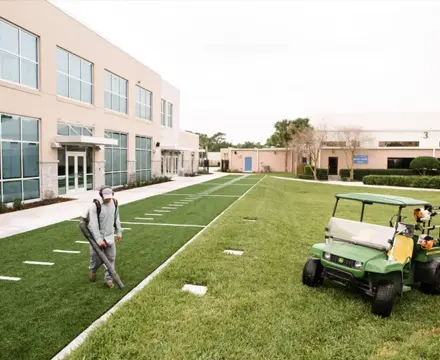
For employees who work outside, sun exposure can cause sunburn and contribute to longer-term health concerns. Discuss sun safety measures such as protective clothing, sunscreen, protective eyewear and breaks away from direct sunlight when appropriate.
Outdoor crews should also review changing conditions before beginning work. Heat, storms, wet surfaces and glare can create hazards that affect landscaping, construction, agricultural, delivery and maintenance tasks.
4. Personal Protective Equipment in Hot Conditions
Summer heat can make required personal protective equipment feel uncomfortable, but removing PPE can expose employees to additional hazards. A July safety meeting is a good opportunity to review task-specific requirements and remind employees not to alter or remove protective equipment without authorization.
Employers should encourage employees to report PPE fit or comfort concerns so they can be addressed safely. Review FFVA Mutual’s guide to personal protective equipment in the workplace for more information.
5. Fireworks, Grilling and Fire Safety
The Fourth of July makes fire prevention a timely safety topic. Remind employees that fireworks should never be used in or around the workplace unless an authorized activity is conducted under appropriate controls. The Consumer Product Safety Commission advises against relighting or handling malfunctioning fireworks.
Seasonal reminders may also cover grilling safety at company gatherings or at home. The National Fire Protection Association recommends keeping grills away from materials that can burn.
6. Electrical Safety and Summer Storms
Summer storms, portable fans, extension cords and outdoor equipment can introduce electrical hazards. Employees should inspect equipment before use, keep electrical devices away from water where required and report damaged cords, exposed wiring or malfunctioning equipment.
Safety training should also cover severe weather procedures, including when outdoor work should stop and where employees should go during storms. Explore additional electrical safety tips for the workplace.
7. Equipment Overheating and Inspections
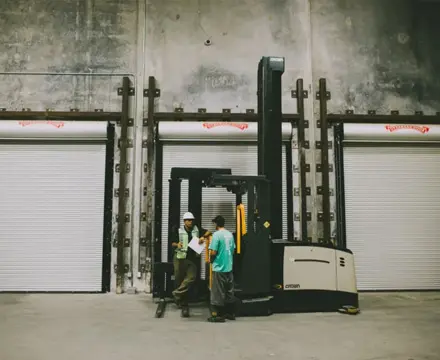
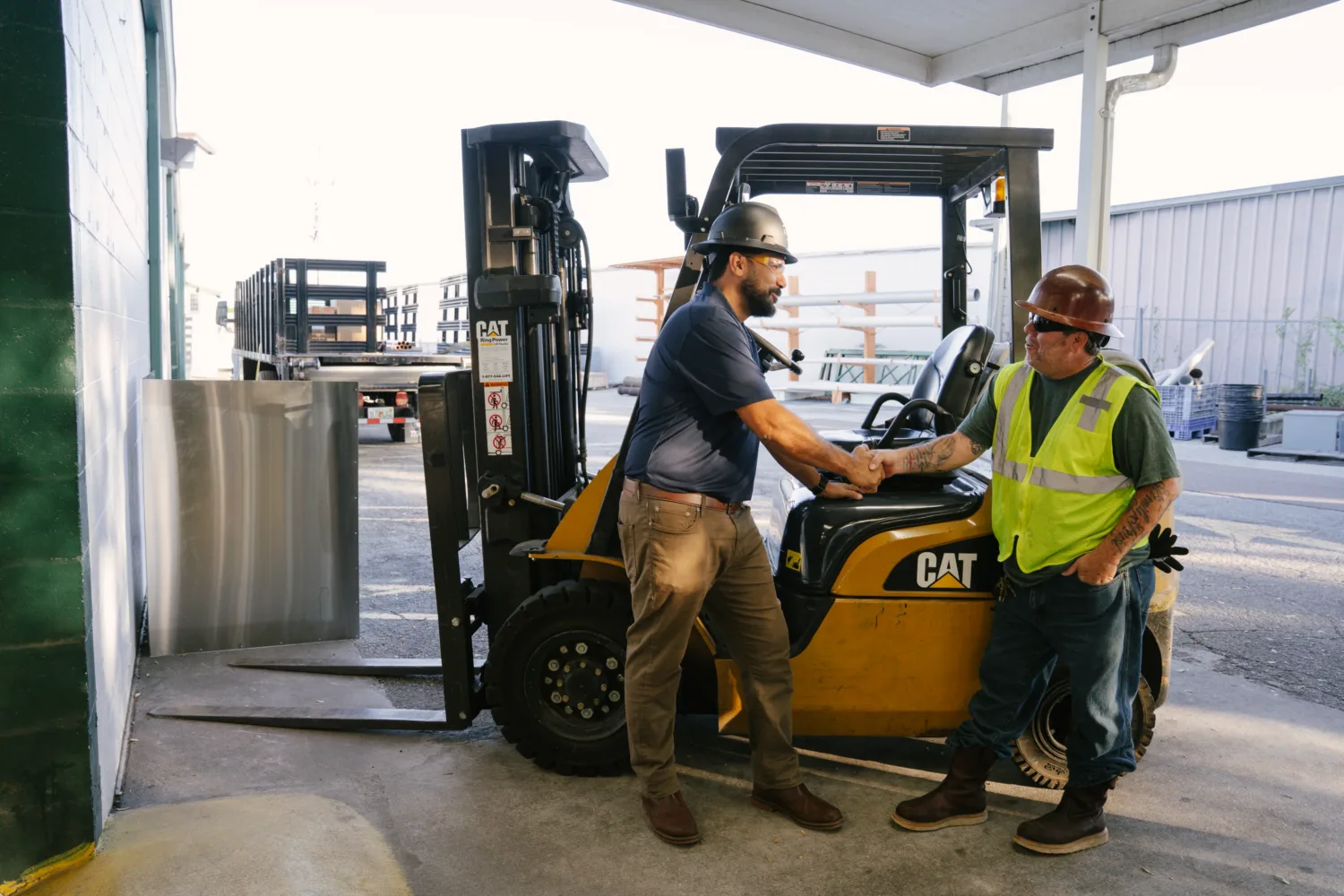
High temperatures may put added strain on vehicles, machinery and cooling systems. Equipment that overheats or is not maintained properly can lead to breakdowns, burns or other safety risks.
Encourage employees to complete required inspections and report warning lights, unusual odors, leaks or performance issues. Employees should never bypass safeguards or attempt unauthorized repairs to keep equipment running during summer production demands.
8. Driving and Travel Safety
The summer season can bring holiday traffic, road construction, storms and longer travel times. Employees who drive for work should review seat belt use, vehicle inspections, safe following distances and procedures for severe weather.
Driving safety conversations should also address fatigue and distracted driving. Employees should avoid reading messages, entering directions or handling other tasks while behind the wheel. Review these driving safety tips and guidance for creating a distracted driving policy.
9. Water Safety and Recreational Risks
Summer celebrations and employee events may include pools, boating or other water activities. Employers can share timely reminders before holiday weekends or company outings, including following posted rules, supervising children near water and wearing an appropriate life jacket during boating activities.
10. Fatigue and Mental Health
Hot conditions, changing schedules, increased workloads and holiday activities can contribute to fatigue. Tired employees may have reduced concentration and slower reactions, raising risk during driving, equipment operation or physically demanding work.
Supervisors should encourage employees to raise fatigue concerns and take scheduled breaks. Employers can also reinforce available mental health resources and promote a workplace where employees feel comfortable speaking up. Read more about improving mental health in the workplace.
How To Use These Topics in a July Safety Meeting
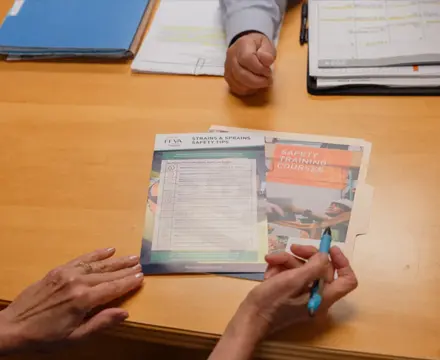
Effective safety meetings connect seasonal risks to employees’ actual work. Choose one or two topics that match current tasks, weather conditions or upcoming holiday schedules, then focus on clear actions employees can take.
For example, employers may:
- Review symptoms of heat illness before outdoor shifts.
- Confirm where employees can access water and cooling areas.
- Ask teams to identify summer hazards in their work areas.
- Review PPE, equipment inspections or emergency preparedness steps.
- Discuss driving or fireworks safety before a holiday weekend.
Keep meetings brief, practical and interactive, then follow up on employee concerns promptly.
For more planning ideas, explore 12 monthly safety topics to train year-round.
July Safety Topic FAQs
What Are July Safety Topics?
July safety topics are seasonal workplace safety concerns employers can address through toolbox talks, training and safety meetings. Common topics include heat safety, hydration, sun exposure, PPE, fireworks safety, electrical safety, driving, water safety and fatigue.
What Safety Risks Are Common in Summer?
Common summer hazards include extreme heat, heat illness, dehydration, sun exposure, severe weather, equipment overheating, fire risks, increased travel and fatigue. The most relevant risks depend on employees’ work environment and job duties.
What Should Workplaces Focus On in July?
July is Heat Safety Month at FFVA Mutual, so we recommend prioritizing areas like heat stress prevention, hydration and employee awareness of heat illness symptoms. Employers should also address seasonal risks such as fireworks, outdoor work, storms, driving and fatigue.
How Can Employers Make July Safety Training More Effective?
Employers can keep training relevant by connecting each safety topic to current work conditions, encouraging employees to identify hazards and reviewing specific procedures for prevention and reporting.
Build Your Year-Round Safety Strategy
July is Heat Safety Month at FFVA Mutual, but preventing workplace injuries requires year-round attention. Regular safety communication helps employers keep changing hazards visible, reinforce safe practices and build a stronger safety culture through every season.
FFVA Mutual provides resources to help employers support safer workplaces throughout the year. Sign up for the FFVA Mutual newsletter for practical safety tips, timely topics and workplace resources.