
 Annual Reports
 Report an Injury
 Safety Key
 Upcoming Events
 Agent Login
 Employer Login
 Training Courses
 Ask a Safety Question
















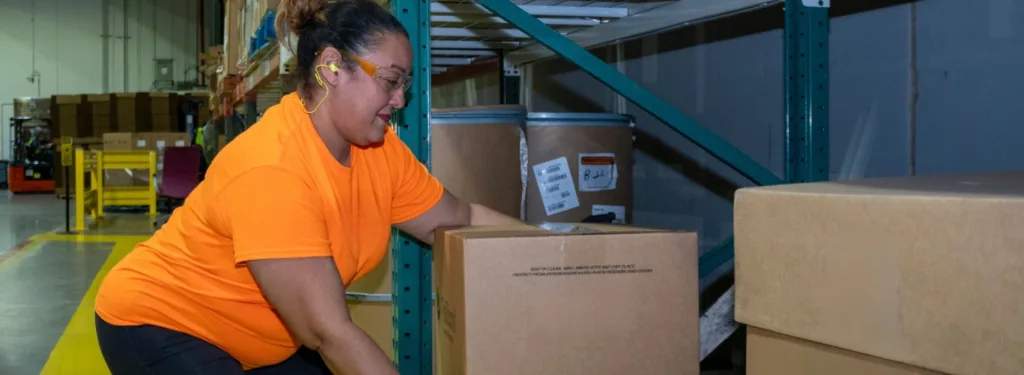
Protect Your Team by Preventing Common Workplace Injuries
Workplace injury prevention protects employees, reduces costs and keeps operations running smoothly. For employers, the impact of a workplace injury is more than just medical bills — it can also mean lost productivity, staff turnover, increased insurance premiums and strain on morale.
By focusing on injury prevention in the workplace, companies create safer environments where employees feel supported and engaged. Keep reading for proactive safety measures that reduce risk, help prevent workplace injuries and demonstrate an employer’s commitment to occupational health.
Why Injury Prevention in the Workplace Matters
In 2023, the Bureau of Labor Statistics reported more than 2.6 million nonfatal workplace injuries and illnesses. As a result, businesses collectively spent over $176 billion covering the costs of preventable injuries.
These costs include:
- Direct expenses: Medical treatment, rehabilitation, workers’ compensation claims and potential fines
- Indirect expenses: Hiring temporary replacements, paying overtime, covering lost productivity
- Human impact: Pain, stress and long-term health effects for the injured worker and their family
- Organizational impact: Higher turnover, reduced morale and strained relationships between employees and managers
While these numbers are significant, what stands out is that many of these incidents could have been prevented with the right safeguards.
Investing in work injury prevention is both a moral and financial decision. Companies that prioritize occupational safety benefit from:
- Healthier employees with fewer injuries and illnesses
- Stronger productivity and less downtime across teams
- Lower workers’ compensation costs and insurance premiums
- A reputation for valuing occupational health and safety, which supports recruitment and retention
A comprehensive strategy to prevent workplace injuries is not just a compliance requirement; it’s a competitive advantage that supports both workers and business performance.
Common Workplace Injuries
Although every industry faces unique risks, some workplace injuries occur more frequently than others. Understanding these patterns is the first step in building stronger injury prevention programs.
- Slips, trips and falls: Among the most common hazards across all industries. Wet floors, cluttered walkways and uneven surfaces often lead to strains, sprains and fractures.
- Musculoskeletal injuries: Heavy lifting, awkward postures and repetitive motions contribute to back injuries, joint pain and chronic strain.
- Repetitive strain injuries: Common in office and manufacturing settings, repetitive tasks can cause long-term damage to muscles and tendons.
- Cuts and lacerations: Tools, machinery and even sharp office equipment pose risks when proper training and protective gloves are not used.
- Struck-by incidents: Falling objects, moving vehicles and swinging equipment can result in serious injuries if hazard controls are not in place.
At FFVA Mutual, Safety Stand-Down campaigns have shown that consistent, focused prevention efforts reduce these types of incidents. When employers engage employees, strengthen training and address hazards early, they make measurable progress toward preventing workplace injuries.
10 Injury Prevention Strategies for a Safer Workplace
Policy itself won’t prevent workplace injuries. True injury prevention requires consistent effort and shared responsibility across every level of the organization.
These strategies provide a practical roadmap for employers and employees to reduce hazards, improve health outcomes and strengthen workplace safety programs:
1. Build a Culture of Safety from the Top Down
A strong safety culture begins with leadership. Managers who model safe behaviors set clear expectations and show employees that safety is a priority in daily work. Incorporating safety values into meetings, shift changes and operational decisions reinforces accountability. When every employee feels responsible for workplace safety, risks are identified earlier and accidents decline.
2. Encourage Employee Engagement
Employees are often the first to notice potential hazards. Empower them by forming safety committees, appointing safety champions or rewarding workers who identify risks. Toolbox talks, peer mentoring and recognition programs like “safety stars” encourage involvement and create a feedback loop where hazards are spotted and corrected quickly.
3. Prepare Your Workplace for Emergencies
Emergencies are unpredictable, but preparation can save lives. Employers should develop action plans for fires, chemical exposures and severe weather, then test them through drills. Updated contact lists, posted evacuation maps and clear communication channels ensure employees know how to respond under pressure.
4. Spot and Control Hazards
Routine inspections and hazard assessments are cornerstones of injury prevention in the workplace. Encourage near miss reporting to capture risks before they escalate. By evaluating hazards systematically and applying controls, companies can prevent workplace injuries tied to slips, trips, strains or other recurring issues.
5. Train and Refresh Employees Regularly
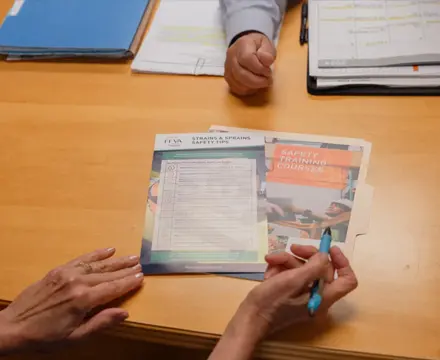
Training is one of the most effective ways to prevent workplace injury. Beyond new-hire onboarding, employees need regular refreshers to reinforce safe practices. Programs such as Safety Stand-Downs or short toolbox talks keep safety knowledge current and highlight emerging risks. Well-trained employees are better equipped to recognize hazards and act responsibly.
6. Equip Workers With the Right Tools and PPE
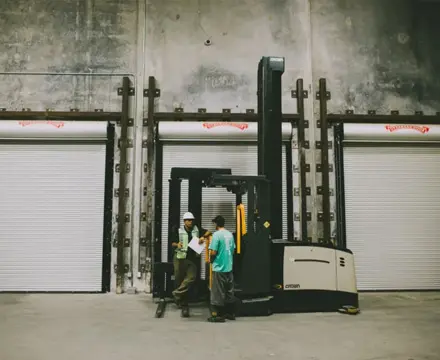
Even the best-trained employees need the right equipment. Personal protective equipment (PPE) like gloves, helmets and protective clothing must be properly fitted, well-maintained and replaced as needed. Preventive maintenance for machinery, lockout/tagout procedures and electrical and chemical safety protocols further reduce risks.
7. Design an Ergonomic Workplace
Ergonomic design helps prevent strains, sprains and musculoskeletal injuries. Adjustable workstations, task rotation and scheduled breaks protect employees from repetitive strain injuries. Employers should routinely evaluate ergonomics in both office and industrial settings to reduce long-term injury risk and improve employee health.
8. Support Return-to-Work Programs
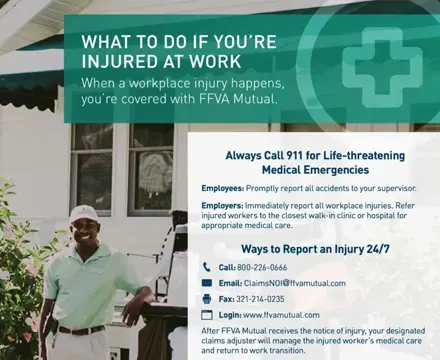
Injury prevention also extends to supporting injured workers. Modified duty or light-duty assignments allow employees to contribute while recovering, easing the transition back to full capacity. A structured return-to-work program reduces claim duration, helps injured employees feel valued and lowers overall business costs.
9. Use Data to Drive Safety Improvements
Accident reports, near-miss data and claims history provide insight into recurring hazards. Reviewing this information with your insurance partner highlights high-risk areas and tracks progress over time. By grounding safety strategies in measurable outcomes, employers can continuously refine prevention efforts.
10. Communicate Safety Daily
Safety messages should be woven into daily routines, not reserved for annual training. Short reminders at staff meetings, posters in breakrooms or digital updates keep injury prevention top-of-mind. When communication is consistent and clear, employees stay more engaged and vigilant about their own safety and that of their coworkers.
Workplace Injury Prevention FAQs
What is workplace injury prevention?
Workplace injury prevention refers to the strategies, policies and practices designed to reduce accidents, illnesses and other incidents on the job. It includes hazard identification, safety training, use of protective equipment and programs that encourage employees to report and address risks.
What are the most common workplace injuries?
The most frequent injuries include slips, trips and falls, musculoskeletal injuries such as sprains and strains, repetitive strain injuries, cuts, lacerations and struck-by incidents. Each type of workplace injury often connects to hazards that can be controlled through better equipment, training and workplace design.
What are the best tips for accident prevention in the workplace?
Effective tips include:
- Conducting regular hazard assessments
- Keeping walkways clear of spills and clutter
- Providing employees with PPE such as gloves and helmets
- Offering ongoing training
- Reinforcing clear safety rules daily
What is the role of safety training in preventing workplace injuries?
Safety training equips employees with the knowledge and skills to recognize hazards, follow safe procedures and respond effectively in emergencies. Refresher courses and stand-down campaigns keep information current and ensure prevention strategies remain effective.
How can employers and employees work together to prevent injuries?
Employers provide leadership, policies and resources, while employees play an active role by reporting hazards, following safety procedures and participating in committees or toolbox talks. Collaboration builds a culture of accountability and makes injury prevention in the workplace more sustainable.
Build a Safer Workplace with FFVA Mutual
At FFVA Mutual, we partner with businesses to strengthen occupational safety through resources and programs designed to meet real-world needs.
Our Safety Stand-Down campaigns help companies focus on high-risk issues, while customized training ensures employees stay confident and prepared. Return-to-work programs support injured employees with light-duty assignments, helping them rejoin the team safely and effectively.
Employers can also access interactive toolkits, consultation services and educational resources through our Safety Solutions team. Whether you’re improving existing protocols or building a new program, we’ll help you protect workers, reduce claims and support a healthier, more productive workforce.
Ask a safety question to connect directly with one of our safety experts.