 Annual Reports
 Report an Injury
 Safety Key
 Upcoming Events
 Agent Login
 Employer Login
 Training Courses
 Ask a Safety Question







Preparing for a Safer Holiday Season at Work
November can bring a different kind of rush to the workplace. Deliveries pick up, employees take time off and year-end deadlines compete for attention. Shorter days and changing weather add challenges for drivers and outdoor crews.
Holiday Workplace Safety is FFVA Mutual’s focus for November. These seven topics give employers a starting point for timely safety meetings and help employees recognize seasonal hazards.
November Safety Topics at a Glance
Use this quick list to choose topics for November safety talks:
- Holiday stress, fatigue and distraction: Help employees stay focused when schedules and workloads change.
- Safe lifting and material handling: Review precautions before seasonal shipments and inventory increase.
- Driving and road safety: Prepare employees for darker routes, heavy traffic and wet roads.
- Slip, trip and fall prevention: Watch for wet entrances, leaves, boxes and temporary cords.
- Fire and electrical safety: Check decorations, lighting, heaters and electrical equipment.
- Cooler weather and seasonal PPE: Adjust precautions to the weather and work being performed.
- Carbon monoxide awareness: Review the risks associated with fuel-burning equipment and vehicles.
Why November Matters for Workplace Safety
A warehouse dealing with extra inventory may set up temporary staging areas, while office decorations can bring extension cords into walkways. Outdoor crews, meanwhile, have fewer daylight hours to finish a job. These changes can introduce hazards that standard routines don’t account for.
Before choosing November’s training topics, review recent incidents and employee concerns. Walk through work areas to see how new equipment or staffing changes affect existing procedures.
7 November Safety Topics for the Workplace
1. Holiday Stress, Fatigue and Distraction
Holiday commitments don’t stop when employees clock in. At work, staffing changes and year-end demands can put added pressure on employees whose schedules are already full. Fatigue and stress can affect concentration, particularly around machinery, vehicles and physically demanding tasks.
Supervisors can ease that pressure with realistic deadlines and adequate breaks. If employees start rushing or skipping normal steps, ask what’s making the work difficult. Make it easy for workers to raise workload concerns without feeling they are holding up the team. Where appropriate, remind them about available support resources. For more seasonal ideas, explore these workplace holiday safety tips.
2. Safe Lifting and Material Handling
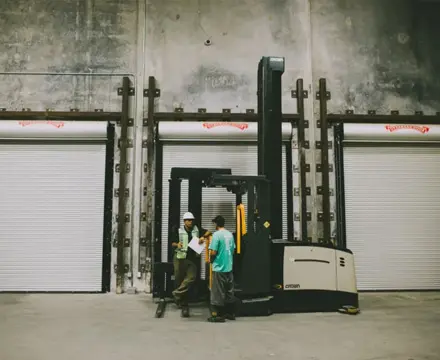
Businesses handling seasonal inventory and deliveries often have more material to move in November. Crowded storage areas and busy shipment schedules can make even familiar tasks harder to manage safely.
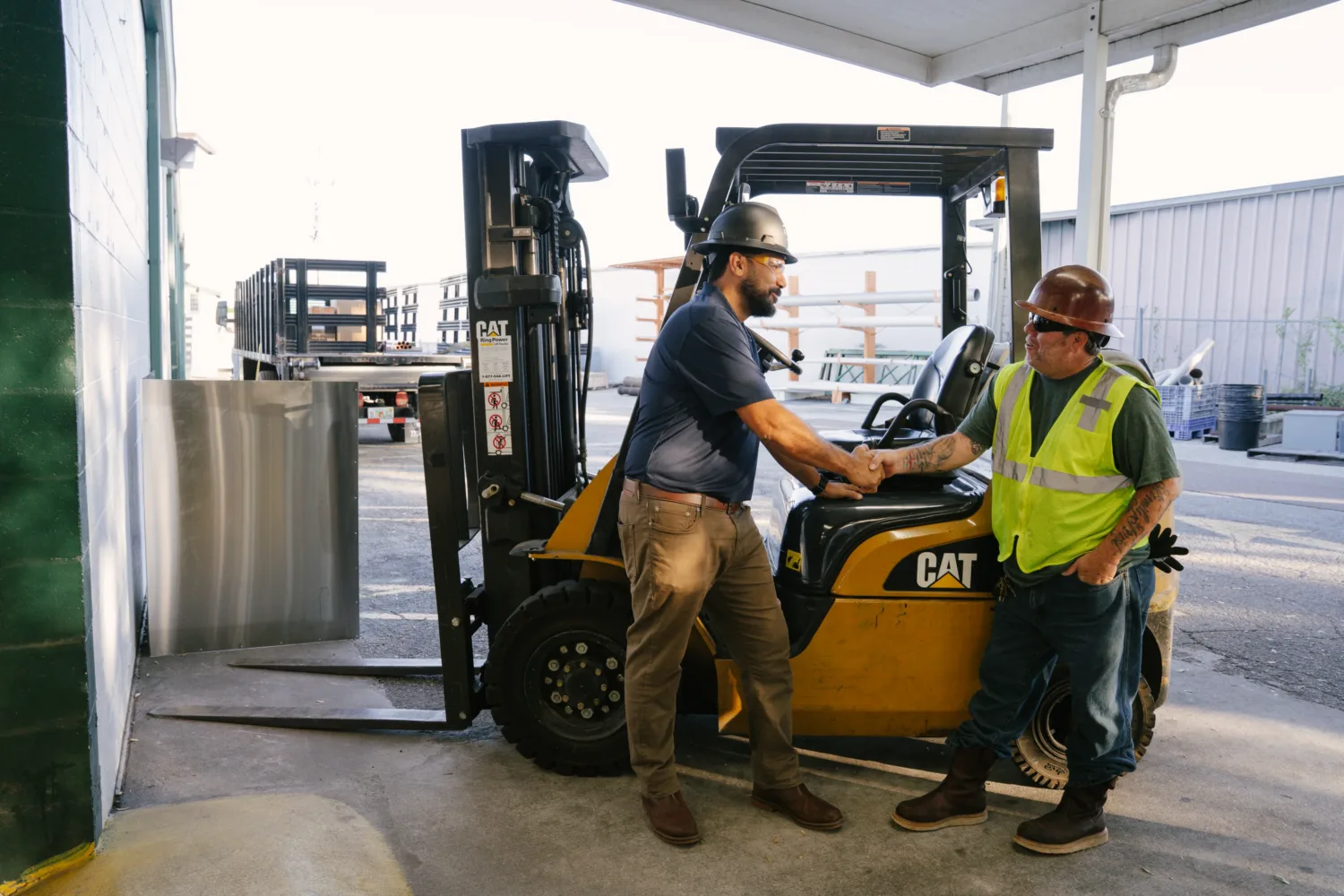
A safety meeting can reinforce basic precautions: check a load’s weight and stability before lifting, keep it close, avoid twisting and use carts, dollies or team lifts when appropriate. Supervisors should make sure staging areas leave room for people and equipment to move. Give employees time to handle deliveries without rushing.
3. Driving and Road Safety
A delivery route that ends in daylight during summer may end after dark by November. Add holiday traffic, wet pavement or a long shift, and familiar roads can demand extra care.
Review routine vehicle checks for tires, lights and mirrors, along with seat belt and distracted driving policies. Allow extra travel time when planning routes. On the road, drivers should adjust their following distances to the conditions. Make sure they can report fatigue or unsafe roads without pressure to stay on schedule.
4. Slip, Trip and Fall Prevention
November can change walking conditions both outside and inside a building. Rain-soaked leaves and muddy footwear may make entrances slippery, while deliveries and holiday displays can obstruct familiar walkways.
Look for slippery surfaces or clutter at entrances and loading areas. Check that stairs and parking lots are well lit. Clear debris, keep emergency exits open and route temporary cords away from walkways. After rearranging a work area or installing displays, inspect it again for new fall hazards.
5. Fire and Electrical Safety
Holiday decorations can bring extra lights and extension cords into the workplace. Portable heaters may add to electrical demand as temperatures drop, making November a good time to check how temporary equipment is powered and placed.
Before plugging in decorations, inspect cords and check that outlets aren’t overloaded. Avoid connecting power strips to one another and follow workplace rules and manufacturer instructions for portable heaters. Keep combustible materials clear of heat sources and leave extinguishers, electrical panels and emergency exits accessible. Employees should report electrical problems rather than attempt unauthorized repairs.
6. Cooler Weather and Seasonal PPE
Across much of the Southeast, November brings cooler mornings and rain rather than severe winter weather. Outdoor crews may have less daylight to finish work, while employees starting before sunrise need to watch their footing and visibility.
Check forecasts and review whether personal protective equipment (PPE) suits current conditions. Extra layers shouldn’t interfere with equipment operation, while wet surfaces may require better traction and lower light may call for high-visibility apparel. Where cold stress is a concern, review symptoms, warm-up breaks and reporting procedures.
7. Carbon Monoxide Awareness
Cooler weather and power outages may prompt some workplaces to use fuel-burning heaters or portable generators. Vehicle exhaust and other combustion sources can also create carbon monoxide hazards in or near enclosed spaces. Because the gas has no color or odor, employees can’t rely on their senses to detect it.
Review equipment placement, ventilation and carbon monoxide detectors where needed. Place portable generators outdoors, away from doors, windows and ventilation openings. Teach employees to recognize possible symptoms, including headache, nausea and dizziness. If exposure is suspected, they should leave, seek emergency help and wait for trained personnel to confirm that reentry is safe.
November Toolbox Talk Ideas
A good toolbox talk starts with something employees recognize from their own workday. Supervisors can use these questions to get a discussion going:
- Where does rushing tend to show up during our busiest shifts?
- Are we lifting or moving more materials than usual?
- How have shorter daylight hours affected our drivers?
- Have decorations, boxes or temporary cords created new walking hazards?
- Are seasonal lights, heaters and other electrical devices being used safely?
- Does our current PPE still suit the weather and tasks?
- Could any fuel-burning equipment or vehicles create a carbon monoxide exposure?
Choose questions that fit the work employees are doing. End each talk with a clear follow-up, such as checking equipment or correcting a walkway hazard.
Frequently Asked Questions About November Safety Topics
What Are the Best November Safety Topics for the Workplace?
Holiday stress and fatigue, safe lifting, driving safety, slips and falls and fire prevention are useful starting points. Seasonal PPE and carbon monoxide awareness may also be important, depending on the location and equipment used.
Why Is Holiday Workplace Safety Important in November?
Holiday deliveries or staffing changes can disrupt normal routines, especially when employers rearrange workspaces. Checking those conditions gives employers an opportunity to address hazards before the busiest weeks of the season.
What Should Employers Cover in a November Toolbox Talk?
Start with a current hazard and discuss what employees should look for or do differently. A brief discussion of a hazard employees have noticed, such as a blocked walkway, can be more useful than trying to cover every seasonal topic at once.
How Should November Safety Topics Change by Workplace or Industry?
Consider the work being performed and recent safety concerns. Warehouses may emphasize material handling, fleet operations may focus on driving, and outdoor crews may prioritize changing weather, visibility and PPE.
Keep November Safety Training Practical
As holiday activity picks up, invite employees to flag anything that’s changed in their work areas or routines. Their observations can guide November safety meetings and help employers address problems before someone gets hurt.
For more ideas throughout the year, explore FFVA Mutual’s 12 monthly safety topics to train year-round and workplace safety topics infographic.
FFVA Mutual provides resources to help employers support safer workplaces throughout the year. Sign up for the FFVA Mutual newsletter for practical safety tips, timely topics and workplace resources.