
 Annual Reports
 Report an Injury
 Safety Key
 Upcoming Events
 Agent Login
 Employer Login
 Training Courses
 Ask a Safety Question














Keep Late-Summer Safety Meetings Practical
August can be a challenging month for workplace safety. Summer hazards may feel familiar by now, but heat, fatigue, severe weather and changing traffic patterns can still create real risks for employees. Timely safety meetings can help supervisors keep these risks visible before they lead to injuries or close calls.
August is also a good time to review the strength of your safety program. OSHA’s Safe + Sound Week, also written as Safe and Sound Week, gives employers a chance to recognize what is working, involve employees and improve occupational safety and health practices before fall schedules begin.
Use these August safety topics to plan toolbox talks, safety meetings and short safety moments that keep employees focused on the hazards they are most likely to face this month.
August Safety Topics at a Glance
Use this quick list to plan your next safety meeting:
- Safe + Sound Week and safety program review
- Heat illness prevention
- Hydration and outdoor work
- Fatigue awareness
- Driving safety during back-to-school season
- Severe weather preparedness
- Emergency preparedness
- Equipment inspection and maintenance
- Slip, trip and fall prevention
- PPE checks and replacement
Top August Safety Topics for the Workplace
1. Safe + Sound Week and Safety Program Review
Safe + Sound Week is a useful prompt to review how your safety program is working. Employers can use the week to discuss employee participation, hazard reporting, corrective actions and safety improvements from the past year.
Keep the activity simple. Review open safety concerns, recognize a team that improved housekeeping or ask employees to identify one hazard that needs attention. The goal is to use the week as a starting point for stronger year-round safety habits.
2. Heat Illness Prevention
Heat illness prevention should remain part of August safety training. Even late in summer, high temperatures and humidity can still affect outdoor workers, warehouse employees, drivers and teams working in non-climate-controlled areas.
Supervisors should review warning signs such as dizziness, confusion, headache, nausea, weakness or fainting. They should also reinforce rest, shade, acclimatization and emergency response procedures. Supervisors can also use the OSHA-NIOSH Heat Safety Tool to check heat index conditions and plan work, breaks and precautions before assigning strenuous tasks.
3. Hydration and Outdoor Work
Hydration should be built into the workday, not treated as an occasional reminder. Employees should have easy access to water and know where rest areas are located before work begins.
For outdoor work, employers may also consider scheduling heavier tasks during cooler hours when possible. Electrolyte replacement may be appropriate for extended work or heavy sweating when it aligns with employer guidance.
4. Fatigue Awareness
Fatigue can be physical, mental or both. It may show up as slower reaction time, reduced attention, irritability or poor decision-making.
A fatigue-focused safety moment can cover how tired workers are more likely to miss a hazard, take a shortcut or react slowly while driving or operating equipment. Supervisors should also look for patterns tied to long shifts, overtime, heat exposure or staffing changes.
5. Driving Safety During Back-to-School Season
August is a smart time to review motor vehicle safety and traffic safety. Back-to-school season can bring more buses, pedestrians, cyclists and stop-and-go traffic.
Safe driving reminders should cover speed, seat belts, mobile device use, route planning and vehicle inspections. Employees who drive near schools or residential areas should slow down, scan intersections and expect sudden stops. This topic may also align with National Traffic Awareness Month where relevant.
6. Severe Weather Preparedness
Severe weather risks vary by location. Some workplaces may be preparing for hurricanes, while others are more likely to face thunderstorms, lightning, heavy rain, flooding or high winds.
Employers should review weather monitoring, shelter locations, communication plans and stop-work criteria. Outdoor crews, drivers, field service teams and facility managers should know who makes weather-related decisions and what steps to take when conditions change.
7. Emergency Preparedness
Emergency preparedness should cover more than weather. August is a good time to review evacuation routes, first aid supplies, AED locations, emergency contacts and employee personal information.
This topic can also include fire safety, fire prevention and electrical safety. Check that exits are clear, extinguishers are accessible and employees know when to evacuate instead of trying to control a fire.
8. Equipment Inspection and Maintenance
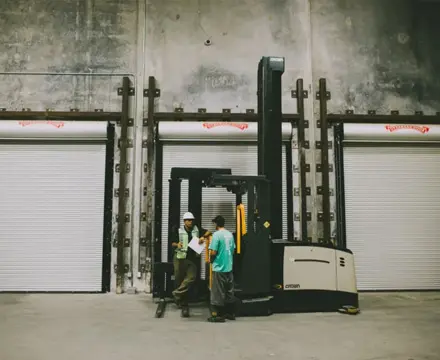
Equipment used heavily during summer may need extra attention by August. Vehicles, forklifts, landscaping equipment, ladders, power tools and cooling equipment should be inspected before use.
A safety meeting can focus on what employees should check and what must be removed from service. Remind workers to report damaged cords, missing guards, unusual noises, worn tires, leaks or unstable ladders.
9. Slip, Trip and Fall Prevention
Rain, mud, wet surfaces, hoses, cords and storm debris can create fall hazards. Indoors, tracked-in water and cluttered walkways can create similar risks.
Use this safety topic to reinforce housekeeping, drainage checks, footwear expectations, walkway inspections and ladder safety. To help prevent falls, ask employees to name one area where a slip, trip or fall could happen and what should be corrected first.
10. PPE Checks and Replacement
August is a natural point to inspect personal protective equipment that has been used throughout the summer. Heat, sweat, sunlight and heavy use can affect fit, visibility and condition.
Review gloves, eye protection, high-visibility apparel, hard hats, hearing protection, respiratory protection and footwear. Damaged or poorly fitting PPE should be replaced, not worked around. PPE works best when paired with hazard control, safety training and safe work practices.
August Toolbox Talk Ideas
Toolbox talks work best when they connect directly to the day’s work. Supervisors can use these prompts:
- What heat warning signs should be reported right away?
- Where are water and rest areas located for today’s job?
- What traffic changes should drivers expect this week?
- What severe weather alerts matter for this worksite?
- Which equipment has seen the heaviest use this summer?
- What slip, trip or fall hazards have employees noticed recently?
- What safety program improvement should we discuss during Safe + Sound Week?
Each discussion should end with one clear action, such as checking a route, inspecting equipment, reporting a hazard or reviewing an emergency procedure.
How Employers Can Keep August Safety Meetings Relevant
Safety meetings are more useful when they reflect current conditions. Instead of repeating the same summer reminders, use recent weather, near misses, incident trends, upcoming work and employee feedback to choose each topic.
Supervisors can also rotate the format. Try a pre-shift safety moment one week, an equipment walkaround the next and a safety committee discussion during Safe + Sound Week. Variety helps reduce safety fatigue and keeps employees involved.
Employers can also look to OSHA, NIOSH and the National Safety Council for best practices, then adapt the guidance to the hazards, work and conditions their employees actually face.
Frequently Asked Questions About August Safety Topics
What Are the Best August Safety Topics?
The best August safety topics include heat illness prevention, hydration, fatigue awareness, driving safety, severe weather preparedness, emergency preparedness, equipment inspections, slip, trip and fall prevention, PPE checks and Safe + Sound Week activities.
What Should Be Covered in August Toolbox Talks?
August toolbox talks should cover hazards employees are likely to encounter that month. Common examples include heat stress, safe driving, wet walking surfaces, equipment wear, emergency communication and back-to-school traffic.
Why Is Heat Safety Still Important in August?
Heat safety remains important because high temperatures and humidity can continue late into summer. Employees may also become less cautious after weeks of working in hot conditions, making reminders about water, rest, shade and symptom recognition important.
How Does Safe + Sound Week Fit Into August Safety Planning?
Safe + Sound Week gives employers a focused opportunity to review safety programs, involve employees and recognize progress. It can be used for safety meetings, hazard reporting, inspections or employee feedback discussions.
What Industries Face the Greatest August Hazards?
Outdoor work, construction safety, transportation, agriculture, landscaping, warehousing, maintenance and field service may face elevated August hazards. Every workplace should tailor topics to its own work, location and risk profile.
How Often Should Safety Meetings Be Held?
Safety meetings should be held often enough to keep expectations clear and timely. Many employers use monthly safety meetings, weekly toolbox talks or short safety moments before higher-risk tasks.
Keep August Safety Practical and Timely
August is a good time to address late-summer risks, refresh safety meetings and strengthen year-round safety habits. The most useful topics are the ones that match the work being performed, the weather employees are experiencing and the hazards employees report.
FFVA Mutual provides resources to help employers support safer workplaces throughout the year. Subscribe to our blog for practical safety tips, timely topics and workplace resources.